
Tehran Tells Pakistan’s Army Chief No Talks With Washington Until Demands Are Met

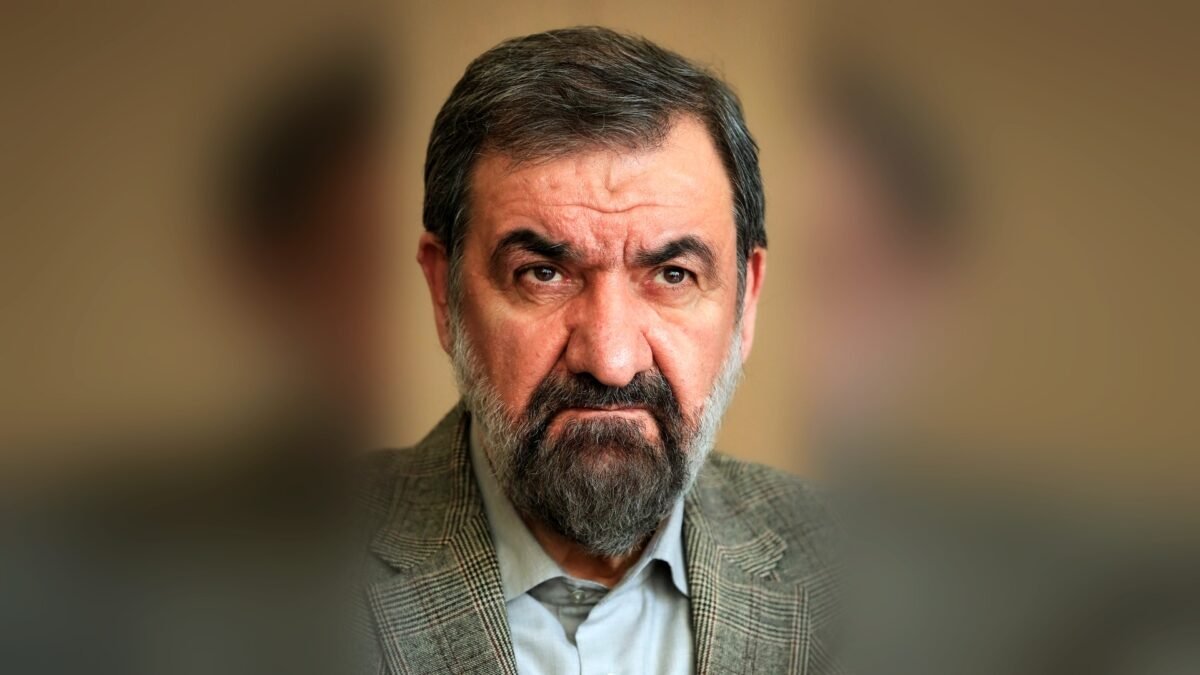
Iran’s answer to its most trusted mediator: no talks until our demands are met
Iran has told Pakistan’s army chief, Field Marshal Asim Munir, that there will be no talks with Washington until Tehran’s demands are met, underscoring how firmly the Islamic Republic has dug in even as Islamabad works to mediate an end to the eight-month-old conflict between Iran and the United States, according to Iranian media reports carried by Reuters on Tuesday.
The message was delivered in Tehran during Munir’s visit on Tuesday, where he met President Masoud Pezeshkian for talks on mediation efforts and regional developments, according to Nournews, an Iranian news agency, as reported by Reuters. The visit made Munir the latest — and arguably the most important — emissary to hear Tehran’s position first-hand.
Munir also met the Iranian parliament speaker, Mohammad Baqer Qalibaf, who told him that Washington could not regain Tehran’s trust until it fulfilled seven conditions Iran set last month for reopening the Strait of Hormuz, according to an Iranian readout of the meeting reported by Reuters and The Algemeiner.
Those demands include ending a United States blockade on Iranian ports, lifting sanctions on Iran’s oil exports, and ending hostilities on all regional fronts — a set of preconditions that would amount to a near-total reversal of Washington’s current pressure campaign before negotiations even begin.
Iran’s security chief, Mohsen Rezaei, the secretary-general of the Supreme National Security Council, delivered a similar message during a separate meeting with Munir, saying there would be no talks with Washington until Tehran’s demands were met, according to Iranian media. “There will be no negotiations until America takes steps to build trust — a process that must begin with the fulfilment of Iran’s conditions,” Rezaei said, according to a report by The Business Standard quoting Agence France-Presse.
“Today, our nation does not trust America. It believes that if we enter the negotiations, they [the Americans] will attack us again,” Rezaei added, in remarks that lay bare the depth of the mistrust between the two sides.
Uranium stays in Iran
Rezaei also drew what may prove to be the hardest line of all: Iran will not allow its enriched nuclear material to be moved out of the country. The stockpile, he said, “constitutes a major asset and national wealth for the Iranian people,” according to AFP.
The remark reiterates the position of Supreme Leader Ayatollah Mojtaba Khamenei that near-weapons-grade uranium should not be shipped abroad — and it collides directly with Washington’s stated demands. US Vice President JD Vance said earlier this month that Iran must make a “meaningful” reduction in its uranium enrichment capacity to satisfy American demands and end the war, according to Reuters.
The United States, Israel and other Western countries have long accused Iran of pursuing nuclear weapons, pointing to its enrichment of uranium to 60 per cent — far above the levels normally needed for civilian power generation and close to the 90 per cent threshold for a weapon. Tehran denies seeking nuclear weapons.
Pakistan’s fifth trip — and a hardening stance
Munir is on his fifth visit to Iran since June, according to The Business Standard, a measure of how central Pakistan has become as an intermediary between the United States and Iran. Islamabad’s earlier mediation helped produce an interim peace agreement in June, the Islamabad Memorandum, but that deal unravelled within weeks as fighting between Iran and the US resumed, according to Reuters.
Tuesday’s message from Tehran represents a hardening of Iran’s public stance. Where earlier rounds of mediation at least produced a paper agreement, the current position — no talks at all until maximalist preconditions are satisfied — leaves the Pakistani mediators with little to carry back to Washington beyond the demands themselves.
Markets registered the impasse quickly. Most major Gulf stock markets were subdued in early trading on Wednesday after Iran’s announcement, according to Reuters. Saudi Arabia’s benchmark index slipped 0.1 per cent, Dubai’s main index eased 0.2 per cent and Abu Dhabi fell 0.6 per cent, while the Qatari index advanced 0.6 per cent, snapping a five-session losing streak. Saudi Aramco rose 0.2 per cent as Brent crude futures climbed 1.5 per cent to $110.40 a barrel in the morning trade.
A war that keeps spreading
The diplomatic freeze comes as the conflict’s economic fallout deepens. Ship-tracking firm Kpler recorded at least 18 attacks on vessels over the past two weeks, according to Reuters, while analysts at LSEG said Iran had been targeting tankers well beyond the Strait of Hormuz, as far south as the Gulf of Oman — threatening loadings outside the Arab Gulf as well as the ship-to-ship transfers that have helped sustain Middle East crude exports as the conflict has dragged on.
The Houthis, for their part, claimed responsibility on Monday for attacks on Saudi energy, airport and military sites, including an Aramco facility at Yanbu, the giant Shaybah oilfield and airports in Riyadh and Abha.
Meanwhile, Iranian Foreign Minister Abbas Araqchi said in a television interview aired on Tuesday that Iran had received no reply from Saudi Arabia or Yemen’s Houthis to its offer to help broker peace talks — a separate mediation track that also appears to be going nowhere.
Analysis: Why It Matters
The messenger is the message
Pakistan is not just any mediator — it is the mediator. No other capital has shuttled as consistently between Tehran and Washington over the past year, and no other figure has been welcomed back as often as Munir, now making his fifth trip since June. When Tehran tells him there will be no talks until its demands are met, it is not a message to Islamabad; it is a message through Islamabad to Washington. The bluntness is deliberate. Iran wants the White House to understand that the era of talks-about-talks is over, and that the price of a real negotiation has been written down in advance.
Seven conditions — a starting position, not a price list
The demands themselves are worth reading closely. Ending a blockade on ports, lifting sanctions on oil exports, ending hostilities on all regional fronts: these are not concessions Iran is offering to make — they are reversals Iran is demanding Washington make before sitting down. That is the classic posture of a party that believes time, or oil prices, or military pressure is on its side. Whether Tehran genuinely expects all seven conditions to be met, or is staking out an extreme opening position from which to negotiate down, is the question every diplomat in the region is now trying to answer. The answer will determine whether diplomacy has stalled or simply reset at a higher price.
The uranium red line
Rezaei’s declaration that enriched nuclear material “constitutes a major asset and national wealth” may be the most consequential line of the day. It reframes the stockpile from a bargaining chip into a sovereign asset — something a state does not trade away. That framing sits directly athwart Washington’s demand for a “meaningful” reduction in enrichment capacity, and it carries the imprimatur of the Supreme Leader. On this question, at least, there is no ambiguity in Tehran’s position: the uranium stays. Any future negotiation will have to begin from that fact rather than wish it away.
Markets are pricing a war, not a deal
Brent crude at $110.40, tanker attacks spreading into the Gulf of Oman, Gulf bourses subdued — the market’s verdict on Tuesday’s news is that the impasse will last. Energy traders have stopped waiting for a diplomatic breakthrough and started pricing the conflict’s continuation: attacks on shipping, threatened infrastructure, and a war-risk premium baked into every barrel. The danger for Tehran is that this premium cuts both ways — high oil prices buy leverage, but they also harden the determination of oil-consuming powers to resolve the situation on their terms.
The window is narrowing, not closing
For all the bleakness of Tuesday’s message, Pakistan’s channel remains open — Munir keeps coming back, and Tehran keeps receiving him. The real test now is whether Islamabad returns with something Washington is willing to offer. Watch, too, for the other tracks: Egypt’s parliament votes next week on authorising forces to support Saudi Arabia, and the Houthis’ continued silence on Iran’s mediation offer. The region is not waiting for Tehran and Washington to reconcile; it is building its own architecture for a longer war.
What to Watch Next
- Pakistan’s return trip: Does Islamabad carry a counter-offer back to Tehran, or merely relay the demands to Washington? The next shuttle will reveal whether mediation has substance or is now just message delivery.
- The Hormuz shipping lane: Whether Iran escalates its campaign against tankers beyond the Strait into the Gulf of Oman — and how the International Maritime Organization and Western navies respond — will set the ceiling for oil prices.
- Egypt’s October 26 vote: Parliament’s decision on authorising forces to support Saudi Arabia will signal how far Cairo is prepared to go in the regional confrontation.
- The enrichment impasse: Vance’s demand for a “meaningful” reduction in enrichment capacity versus Rezaei’s “nothing leaves” — this is the true deadbolt on any negotiation, and neither side is moving.
- Saudi and Houthi silence: Whether Riyadh or the Houthis ever answer Iran’s mediation offer will show if a separate regional track is possible, or if Tehran is being left to fight its diplomatic battles alone.
Sources
- Reuters — Most Gulf shares retreat as Iran-US diplomacy stalls (Oct 21, 2026)
- The Algemeiner — Iran Tells Pakistan Army Chief No Talks With Washington Until Demands Are Met (Oct 20, 2026)
- The Business Standard — ‘No enriched nuclear material will leave Iran’: Tehran tells Pakistan army chief Asim Munir (Oct 21, 2026)
- SRN News (Reuters) — Iran’s Pezeshkian discusses mediation efforts in meeting with Pakistan’s army chief (Oct 20, 2026)

About the Author — Abdul Mannan
Related Articles
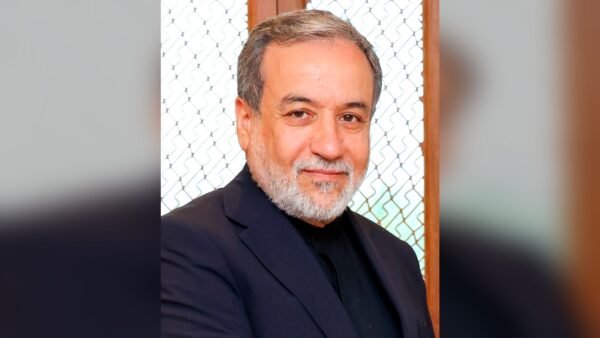
Iran Says Saudi Arabia and Houthis Have Not Answered Its Mediation Offer as Gulf Crisis Widens
Iran's foreign minister says Riyadh and the Houthis have not answered Tehran's offer to broker talks, as Egypt…
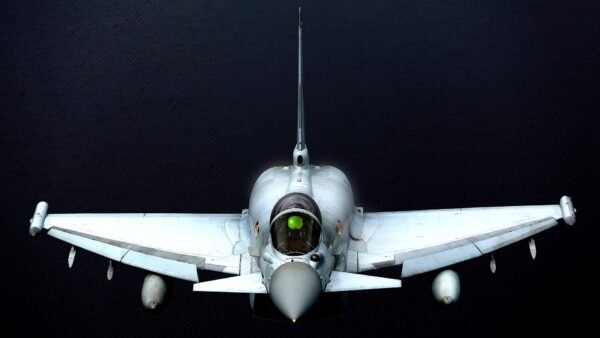
UK to Deploy RAF Typhoon Fighter Jets to Defend Saudi Arabia Against Houthi Attacks
Britain will fly RAF Typhoons on defensive missions over Saudi Arabia to intercept Houthi missiles and drones, Defence…

Hegseth Makes Unannounced Visit to Israel for Talks With Netanyahu Days Before Election
U.S. Defense Secretary Pete Hegseth made an unannounced visit to Israel on Monday, meeting Benjamin Netanyahu at Ovda…