
Yvette Cooper Warns of ‘More Challenging’ NHS Winter as Government Pledges £140m for Urgent Care

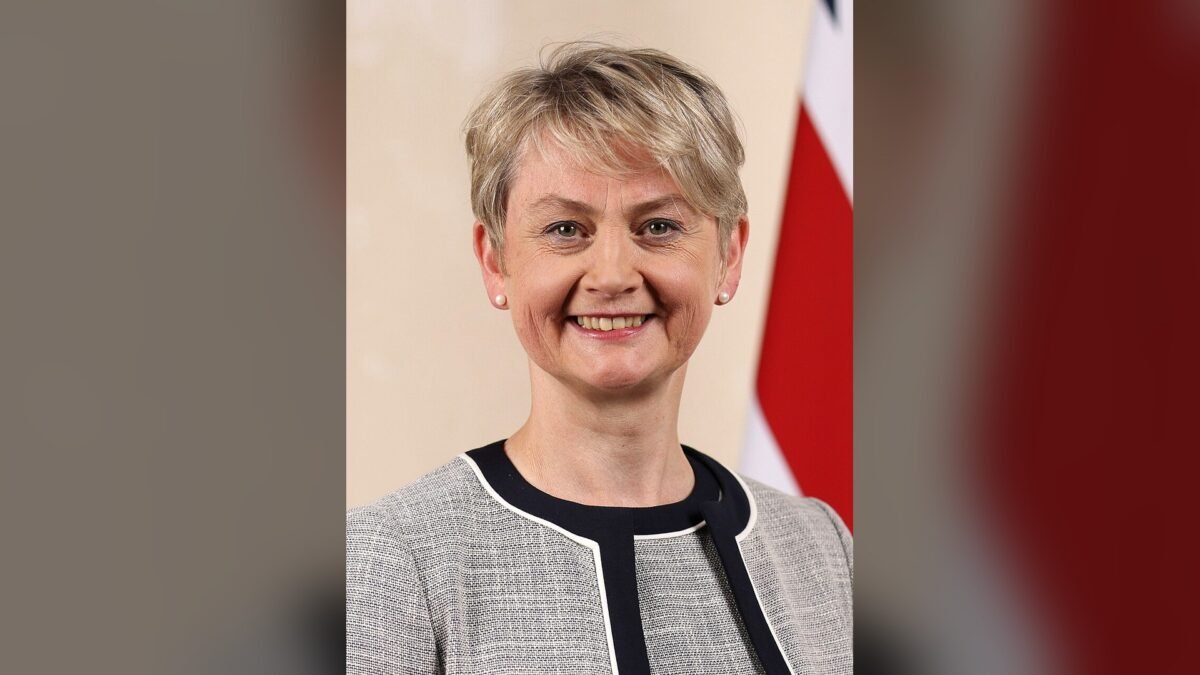
The NHS in England faces a “more challenging” winter than normal this year, the Health Secretary has warned, as the government announced almost £140 million of new money for urgent care to help hospitals cope with seasonal illnesses after a record-hot summer.
Yvette Cooper said the health service had been preparing since July for the winter surge in demand, telling patients the extra capacity was aimed at helping them “get the care they need” when seasonal viruses begin to bite, according to Sky News.
“Winter will be more challenging for our NHS this year, after such a heavy summer,” she said. “That’s why we have been preparing early and investing in extra urgent care capacity to help get patients the care they need.”
The warning and the funding package come after five heatwaves this summer — some of which broke heat records — placed extraordinary strain on the service. According to government figures, close to 7.3 million people attended accident and emergency departments between June and August, the highest figure ever recorded for a summer period.
The money will be spread across 14 schemes around the country, including new urgent care centres, same-day emergency care services, new ambulance fleets and upgrades to emergency departments, PA reported.
What the £140m will buy
The 14 schemes are designed to take pressure off A&E by treating more patients in alternative settings. According to the government’s announcement, reported by PA, they include new urgent treatment centres (UTCs) — facilities that handle conditions that need urgent attention but are not life-threatening — and same-day emergency care (SDEC) services, where patients can be assessed, diagnosed and treated in a single day without being admitted to a hospital ward.
New ambulance fleets and emergency department upgrades make up the rest of the package, aimed at cutting the handover delays that have left crews queuing outside hospitals during previous winters.
The 14 schemes sit alongside 25 new or expanded urgent-care sites announced in April, which are expected to be ready in time for winter, according to the government’s statement carried by Britain’s News.
The government also set the announcement in the context of a much larger long-term commitment, saying it plans to invest almost £2 billion in urgent-care building projects by 2030. That is separate from £1.5 billion confirmed so far for urgent repairs across NHS buildings.
Alongside the new capacity, the government said it had widened the Pharmacy First scheme so that local pharmacies can help patients with more common conditions, and expanded GP access through evening, weekend and out-of-hours appointments during the colder months.
Dr Emma Rowland, the NHS executive director for performance and delivery, said the service was doing everything it could to reduce pressure on emergency departments while protecting staff.
“We know this winter will be tough for the NHS and we’re doing everything we can to reduce pressure on our emergency departments and make sure patients get the care they need, while protecting our staff,” she said in a statement carried by Sky News. “Investment in same-day emergency care and urgent treatment centres will help more patients get the right care in the right place, at the right time.”
She also urged the public to make sure they are vaccinated against flu and other winter viruses if they are eligible — a message the government backed with its own figures showing that more than 7.4 million flu vaccinations had been delivered in England by 11 October, with more children vaccinated this year than last.
Why this winter looks worse
The Health Secretary’s warning is rooted in what happened over the summer. In July, the UK Health Security Agency said it was likely that 2026 could see the highest number of heat-associated deaths on record, estimating at the time that there were 2,877 deaths linked to the hot weather during two heatwaves in May and June. There were then three further heatwaves through August.
The record summer demand means hospitals and staff have had little time to recover before the winter season arrives. In September, health experts warned of a “twin crisis” facing the NHS, with the after-effects of record summer temperatures combining with the usual seasonal winter illnesses such as flu and norovirus, Sky News reported.
The health thinktank the King’s Fund echoed that warning, cautioning that the service was facing a twin crisis going into winter, with little time between peak periods for staff and the system to recover.
There are already signs the winter season may be arriving early. Earlier this month, NHS national medical director Professor Frankie Swords said hospitals were showing “ominous” signs of an early flu season, with hospital admissions for the virus the “highest” she could remember for the time of year, coinciding with an expected increase in Covid admissions.
“And unfortunately, people are still waiting longer than we would like them to,” she added, as more patients arrived at A&E with flu and other respiratory viruses than usual for this time of year.
Reaction: ‘sticking plaster’ vs ‘preparing early’
The announcement drew an immediate mixed reaction. Shadow health secretary Damian Hinds said the government needed to act, but asked it to explain where the money was coming from — a pointed question ahead of the coming Budget season.
The Royal College of Nursing in England was blunter, describing the £140 million as “just another sticking plaster” for a service facing deep structural pressures.
The government, by contrast, presented the package as part of an unusually early start to winter planning. Cooper stressed that preparations had been under way since July — months earlier than the traditional autumn scramble for winter funding — and pointed to the wider package of vaccination drives, expanded pharmacy roles and longer GP hours as evidence of a demand-side plan to match the capacity spending.
The Guardian also reported the announcement, noting the Health Secretary’s warning of a tougher-than-usual winter and the £140 million commitment to 14 urgent-care projects across England.
Analysis: Why It Matters
The politics of winter have become one of the most predictable cycles in British public life: every autumn, a health secretary announces extra money; every January, the cameras return to hospital corridors. What makes Yvette Cooper’s intervention different is the timing and the framing. By warning in mid-October that winter will be “more challenging” than normal, she is doing something unusual — trying to set expectations before the crisis rather than explain them after it. The hope is that early honesty buys patience; the risk is that it becomes a hostage to fortune if December’s figures are grim.
The substance of the announcement matters more than the politics, and here the numbers tell two stories at once. The £140 million for 14 schemes is real money arriving at real pressure points — urgent treatment centres and same-day emergency care are among the few interventions with a track record of genuinely diverting patients away from A&E. But set against the government’s own figures — almost £2 billion for urgent-care buildings by 2030, £1.5 billion for urgent repairs — £140 million looks like the first instalment of a much larger programme, which is exactly why the Royal College of Nursing reached for the “sticking plaster” label. The tension between the two frames will define this winter’s political debate.
The most significant single fact in the announcement may not be the money at all, but the summer that preceded it. Close to 7.3 million A&E attendances between June and August is a record that reframes what “winter pressure” means: the NHS no longer gets a quiet season in which to recover. Five heatwaves did what influenza usually does — filled waiting rooms and exhausted staff — and they did it in July. The King’s Fund’s “twin crisis” warning captures the danger precisely: a system that never gets to reset enters winter already depleted. That is why Cooper’s claim that preparations began in July matters; this is, effectively, a winter plan written in the middle of summer.
The demand side of the plan deserves as much scrutiny as the capacity side. More than 7.4 million flu vaccinations delivered by mid-October is a strong start, and the widened Pharmacy First scheme plus extended GP hours are sensible attempts to treat winter illness before it reaches A&E. But Professor Swords’s “ominous” early flu signs cut through the optimism: if this year’s flu wave arrives early and coincides with rising Covid admissions, the extra urgent-care centres will be absorbing demand, not preventing it. Vaccination uptake in the coming weeks will be one of the earliest indicators of whether the winter holds.
Finally, the reaction lines from the shadow health secretary and the nursing union point to where the real accountability battle will be fought. Damian Hinds’s question — where is the money coming from? — is not a technical quibble; it is the opening move of a spending argument that will run all winter. And the RCN’s “sticking plaster” verdict reflects a workforce view that no amount of one-off winter funding changes the underlying staffing equation. Cooper has bought the NHS time with this announcement; what she has not yet done is answer the question the union is asking.
What to Watch Next
- Early flu and Covid data: Weekly NHS surveillance reports will show whether Professor Swords’s “ominous” early signs develop into a full early wave — the single biggest variable in this winter’s pressure.
- Whether the new sites open on time: The 14 schemes and the 25 sites announced in April are all promised for winter; the first test is whether they open when they are supposed to.
- Vaccination uptake: Flu jab numbers, already past 7.4 million by 11 October, will be watched against last year’s totals as a measure of public cooperation with the winter plan.
- The funding question: The shadow health secretary’s challenge on where the £140 million comes from will resurface in the Budget and spending rounds.
- December’s A&E figures: The traditional winter scoreboard — waiting times, trolley waits and ambulance handover delays — will show whether early preparation and extra capacity changed the pattern of previous years.
Sources
- Sky News — “NHS faces ‘more challenging’ winter after summer of heatwaves, Yvette Cooper warns” (carried by Classic FM)
- The Guardian — “Yvette Cooper pledges £140m to boost urgent care as NHS faces ‘tough’ winter” (reported in Sharecast’s Sunday press round-up)
- PA Media (Christopher McKeon) — “NHS faces tough winter as government announces £140m urgent care boost” (via Hits Radio)
- Britain’s News — “Government commits almost £140m to 14 NHS urgent-care schemes ahead of winter”

About the Author — Abdul Mannan
Related Articles

Boy, 16, and Man, 80, Killed in Light Aircraft Crash Near Drymen, Scotland
A 16-year-old boy and an 80-year-old man died when a light aircraft crashed near Drymen, Stirling, on Friday;…
Norwegian Teen Jailed for 20 Years Over Iran-Linked Murder Plot After Flying to Britain to Kill Unknown Target
Johannes Natland, 19, was jailed at Woolwich Crown Court after being recruited online by the Swedish Foxtrot Network…
Police Assess Social Media Post by Sarah Helm, Wife of UK National Security Adviser, Over Apparent Palestine Action Support
Police are assessing an X post by Sarah Helm, wife of National Security Adviser Jonathan Powell, after she…