
Five European Leaders Call for Closer EU-UK Ties as Barnier Warns Burnham There Will Be No Cherry-Picking on the Single Market

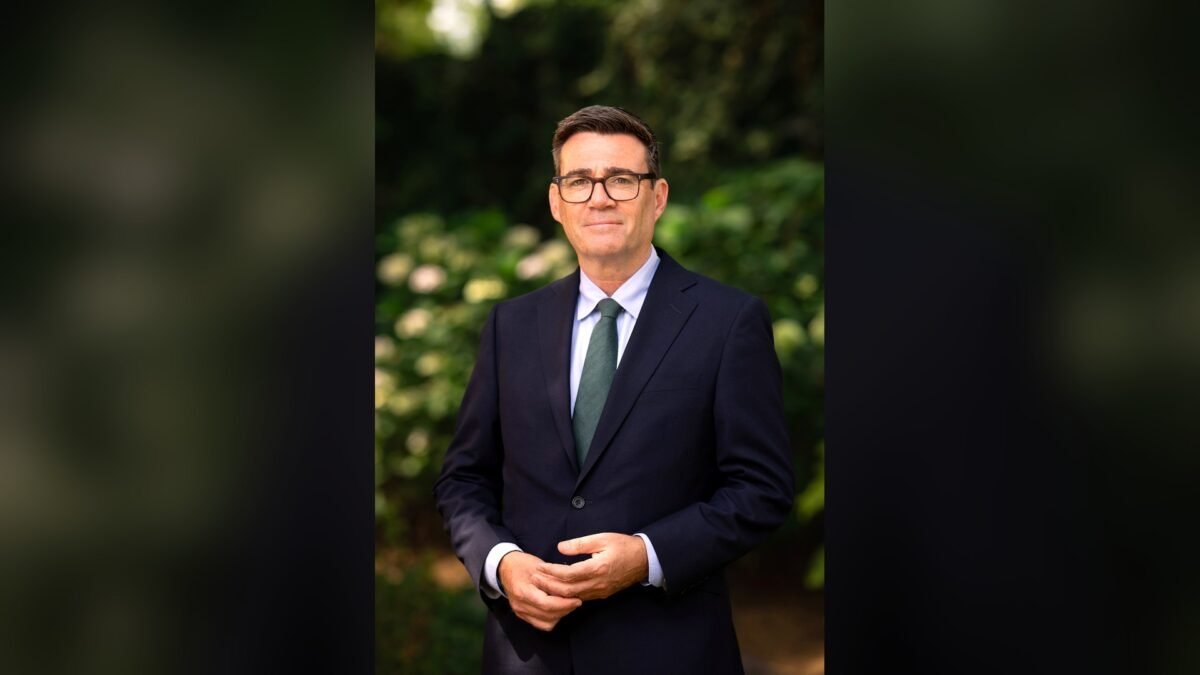
Five European leaders have called for closer ties between the European Union and Britain ahead of a keenly anticipated summit in Brussels, urging both sides to deepen cooperation on clean energy and to agree a path for the United Kingdom to rejoin the bloc’s internal electricity market. The joint intervention, in a letter seen by The Guardian, landed on the same weekend that the EU’s former chief Brexit negotiator, Michel Barnier, warned Prime Minister Andy Burnham that there would be no “cherry picking” if Britain sought to move back towards the single market.
The leaders of Germany, Belgium, the Netherlands, Luxembourg and Denmark wrote to Ursula von der Leyen, the president of the European Commission, and António Costa, who leads the European Council, arguing that deeper cooperation on clean energy would benefit both sides. According to The Guardian, the letter describes the United Kingdom as a “close partner in the energy transition” and says British integration into the EU’s internal electricity market is “necessary to unlock the full potential of the North Sea area and transform it into the largest clean energy hub in the world”.
Ms von der Leyen and Mr Costa are due to meet Mr Burnham in Brussels on 20 November, where the two sides hope to sign deals covering food and drink, carbon emissions and youth exchange. The five countries also want the summit to speed up work on another strand of negotiations: Britain’s return to the EU’s internal electricity market. “We call on you and the UK to agree during the summit on a path towards the conclusion of these negotiations,” the letter states, according to The Guardian.
The letter was signed by German Chancellor Friedrich Merz, Dutch Prime Minister Rob Jetten, Belgian Prime Minister Bart De Wever, Luxembourg Prime Minister Luc Frieden and Danish Prime Minister Mette Frederiksen. It is the most direct public pressure yet from EU capitals for the summit to produce more than the package of practical deals already on the table, and it puts the question of Britain’s longer-term relationship with the bloc at the centre of the meeting, less than four months after Mr Burnham became prime minister.
Barnier: no single market à la carte
Speaking to the BBC’s Sunday with Laura Kuenssberg programme, Mr Barnier warned that EU member states would insist that any British move back towards the single market required the UK to readopt its full conditions, including the free movement of people. “I said very, very often during these negotiations, the Brexit, there is no cherry picking,” he said, according to the BBC. “There will be no possibility to have one freedom and not the other. The four freedoms are clearly the four conditions to be inside a single market.”
Mr Barnier, who led the EU delegation during the Brexit talks between 2016 and 2021 and later spent three months as French prime minister in 2024, said the “door is open” within Europe to the UK rejoining as an EU member. But he insisted that any move to rejoin the single market, which allows goods to be traded freely without border controls, would require Britain to follow the same terms as other members, including compliance with the regulations behind the free movement of goods, services, capital and people.
He also warned that the EU would not recreate the favourable financial terms Britain enjoyed inside the bloc, which were negotiated in 1985 and lowered the UK’s contributions to the EU budget. According to The Times, former Irish prime minister Leo Varadkar said separately that the UK would not get its £5 billion rebate back if it rejoined the EU, and Mr Barnier told the BBC that another rebate would be “off the table”. Asked by the BBC’s Laura Kuenssberg about the campaign claim that Britain would get back £350 million a week after leaving, Mr Barnier said it was not true and not possible.
The intervention matters because Mr Burnham has said since becoming prime minister that his government would examine the options in the UK’s relationship with the EU, including a customs union, a return to the single market or to “go all the way” with full membership. At Labour’s annual conference in Liverpool last month, he said Brexit had done “more harm than good” and that later this year he wanted to set out “what I believe the different options are for Britain’s long-term relationship with our European partners”.
What the summit is expected to deliver
The summit on 20 November will be the second such meeting between the UK and the EU, following the first in 2025 at which a new strategic partnership was agreed. According to the government, Mr Burnham will push for deals to “cut costs and red tape for British farmers and businesses, support industry and boost growth in every part of the country”. Three subjects dominate the agenda: food standards, emissions trading and youth mobility, and it is thought that deals will be agreed in all three areas at the summit.
On food, the government hopes to agree a deal on food standards that would cut costs for British companies trading with Europe. On emissions, reports suggest an agreement will link the EU and UK carbon markets, a deal that would allow manufacturers on both sides to avoid additional carbon border charges. On youth mobility, it is expected that the Erasmus+ programme, which allows students from the UK to study in Europe, will be one area where a deal is confirmed, although the question of university tuition fees remains unresolved, with any concessions to the EU needing to be balanced against domestic political and financial pressures.
Mr Burnham has put a number on the prize. “What’s facing me two weeks on Friday is a UK-EU summit where I have the opportunity to add to UK growth. It’s estimated up to 0.4 per cent extra on GDP,” he told broadcasters, according to Bytes Europe. “I think people in Britain would expect me to take that with both hands, given where we’ve been in recent times, and that’s what I’m doing. We’re not in the EU, therefore, we do have to work with them in a different way. But if that can get growth, if that can help our farmers, if that can remove red tape from British businesses, I think most people would expect me to go to that summit and negotiate the best deal that I can.”
Mr Costa, for his part, said in a statement: “The European Union and the United Kingdom are like-minded partners, united by common values and shared interests. Our security and prosperity are closely intertwined, making a strong partnership between us essential. By deepening our cooperation, we can strengthen our ability to address the challenges of our time, strengthen our resilience and promote stability in Europe and beyond.”
The electricity market and the money question
The most consequential item on the summit’s margins may be the one the five leaders raised in their letter: bringing Britain back into the EU’s internal electricity market. The UK and nine other European countries signed a pact earlier this year to accelerate the rollout of offshore windfarms in the 2030s and build a power grid in the North Sea. But Britain’s exit from the EU’s internal electricity market is seen as cramping the development of North Sea energy and adding to costs.
According to figures from the industry body Energy UK, published in 2024, if the current energy relationship remains unchanged, Britain could pay extra costs of £10 billion from 2024 to 2029, through higher energy bills and lower Treasury revenues. The industry group argues that Brexit barriers will become more significant over time, frustrating the UK’s potential to realise the full benefits of growth in offshore wind power.
Bringing Britain into the internal electricity market could be controversial, however, because the UK would be required to make a contribution to the EU budget, specifically to cohesion funds that promote economic development in poorer regions. British officials are wary of a deal in which taxpayers’ money could be used to fund infrastructure projects in central and eastern Europe. Last year, negotiations on Britain’s entry into a €150 billion (£125 billion) EU defence fund collapsed over a dispute about the size of the UK’s contribution, a precedent that hangs over the electricity talks.
Leaked draft documents prepared ahead of the summit, seen by Sky News and reported by The Independent, reveal that the EU is demanding financial contributions from the UK in exchange for access to its single market for electricity. The papers show that the EU expects an “appropriate level of financial contribution towards reducing economic and social disparities between the regions of the EU”. They also say both the UK and Brussels hope to “conclude these negotiations swiftly” so Britain can access the market “as soon as possible”.
In an attempt to head off another row over money, North Sea member states are stressing the potential for the deal to bring about lower and more stable energy prices for British billpayers. “The UK would not simply be paying into EU cohesion funds,” a Brussels diplomat told The Guardian. “The UK would be investing in access to a more integrated, secure and competitive European energy market. This will lead to more efficient electricity trading, resulting in lower costs for UK consumers.”
The leaked drafts contain a second demand that is likely to prove at least as difficult. According to The Independent, the EU is also requesting that the UK scrap plans to deport European offenders under recent Home Office rules that permit foreign nationals to be removed once sentenced. A British government source stated that the UK will not agree to the EU’s demands, and the draft papers seen by Sky News suggest Brussels will demand that the Labour government commit not to proceed with removals and deportations of offenders from member states.
A cabinet that disagrees in public
Mr Burnham goes into the summit with his own cabinet publicly divided over how far Britain should move back towards the bloc. According to The i Paper, the prime minister is preparing a significant offer on wider migration from the EU to get a future Brexit deal over the line, a step expected to face sharp resistance from Home Secretary Shabana Mahmood, who has already been forced into a partial climb-down over her own hardline immigration reforms.
The discord surfaced after Chancellor John Healey told Channel 4 News that he did not expect to see Britain return to the European Union in his lifetime. Mr Healey, who is 66 and ten years older than the prime minister, said his priority was to make the most of Britain’s position outside the EU. Senior Whitehall sources told The i Paper that the remarks had irritated No 10, amid concerns that public differences between ministers risk presenting a divided government ahead of the summit. One source suggested Mr Healey “needs reigning in”, while another warned that few Labour MPs would risk their political futures over closer EU ties.
Ms Mahmood, meanwhile, has refused to say whether she supports restoring freedom of movement with the European Union, as Mr Burnham insisted he had not proposed bringing it back. According to The Times, the home secretary acknowledged that Brexit had made it harder to control immigration because Britain had lost access to European databases, but said she would not be drawn on whether she wanted free movement to return. She told Sky News: “What I am keen on is abiding by our manifesto.”
Mr Burnham has sought to end confusion over his position by insisting he would not “run ahead of public opinion” on closer ties with the EU, although he called for an “honest discussion” about how immigration had changed since the Brexit referendum. In an interview with ITV, he said: “I have not proposed freedom of movement coming back. I do believe that we should have an honest discussion with people about how immigration has changed since the Brexit vote because the shorter term migration of people coming from Europe and then going back has been replaced with long term settlement in bigger numbers, and that was the Boriswave.”
He also told MPs last week that there was “no confusion at all” about his position and committed to Labour’s manifesto red lines, which rule out rejoining the single market, the customs union or restoring freedom of movement for the duration of this parliament. He wrote to cabinet ministers instructing them not to publicly endorse specific options for Britain’s future relationship with the EU. A government spokesperson insisted he is not suggesting a reversal of Brexit currently, adding: “The Prime Minister isn’t proposing a return to freedom of movement or any option. He is saying that it’s time for us to discuss what kind of long-term relationship with Europe is best for Britain… But he is crucially not leaning either way, and that will be for the British public to decide.”
Pressure from Labour’s own benches
Pressure for a bolder approach is also coming from within the Labour Party. Stella Creasy, the chair of the Labour Movement for Europe, who is campaigning for a de-facto second referendum to be included in the party’s next manifesto, said there were “plenty of sensible changes” that could be made in the meantime. Speaking to the BBC’s Today programme on Saturday, she said: “Our exports are down because we know that it had hit our economy substantially to have left the European Union because you can fight many things in life, but geography really isn’t one of them. The biggest trading bloc in the world is on our doorstep, and we walked out of it, which means that we now face a huge amount of friction to trade with them.” She called Mr Burnham’s recent comments, in which he expressed a desire to form a closer relationship with the EU, “telling the truth”.
Mr Burnham, who became Britain’s 59th prime minister on 20 July 2026, has said he would like to see the UK rejoin the EU in his lifetime, but has insisted he would “not move ahead of the public” on the issue. He has said he wants to look at the various options that could potentially be on the table for the UK and EU’s future relations, adding: “We have to look at what is doable and what would be the pros and cons of each.”
The summit follows a meeting of the European Political Community in Dublin, and it will be the first test of whether Mr Burnham can hold his cabinet together while reopening the Brexit settlement. Sandro Gozi, a member of the European Parliament, told Euronews: “Burnham now needs to clarify what he means. And on our side, we should show openness to engage in a new sort of partnership.” In Brussels, officials see Mr Burnham’s reopening of the Brexit question as a bold move, but there is a wish for him to clarify what he means and what Britain is willing to discuss.
Analysis: Why It Matters
1. Five capitals, not just Brussels, are now pushing London
The letter matters less for what it asks than for who signed it. This is not the European Commission pressing Britain, which London could dismiss as institutional self-interest. It is five elected governments, including Europe’s largest economy, Germany, and the Netherlands, one of the EU’s most fiscally hawkish members, telling Brussels and London together that the current energy relationship is costing both sides money. That changes the politics of the summit: Mr Burnham can present any electricity deal as something Europe’s capitals wanted, not something he conceded, and the Commission has cover to be flexible. But it also raises the stakes. If the summit produces only the three practical deals on food, carbon and youth mobility, and no path on electricity, five governments will have been publicly rebuffed, and the question of why will follow Mr Burnham home.
2. The money question will decide the electricity deal
Every serious negotiation between Britain and the EU since Brexit has eventually collided with the same obstacle: who pays, and how much. The collapse of the defence fund talks last year over the size of the UK contribution is the freshest warning. The electricity market is the same argument in a different sector. Brussels wants an “appropriate” contribution to cohesion funds; British officials fear writing cheques for infrastructure in central and eastern Europe; and the industry case, £10 billion of extra costs between 2024 and 2029, is real but abstract compared with a headline figure for a payment to Brussels. The diplomat’s framing, that Britain would be “investing in access” rather than “paying into” EU funds, shows both sides know the politics of the number matter as much as the number itself. Watch whether the summit statement names a figure, a formula, or neither. A formula would be progress; a figure would be a deal; neither would mean the argument has been parked, again.
3. Barnier has drawn the line Burnham cannot cross quietly
Mr Barnier’s intervention is the most important single contribution to this debate in years, because it closes off the option Mr Burnham’s language has kept open: a closer relationship that takes the trading benefits of the single market while leaving free movement behind. “There will be no possibility to have one freedom and not the other” is not a negotiating position; it is the EU’s constitutional architecture, and it has not moved since 2016. Mr Burnham’s careful formulation, that he is examining options and will not move ahead of the public, only works while nobody forces him to choose. Mr Barnier has now forced the choice into the open, ten days before the summit, and the rebate warning removes the other comfort blanket: even a return would come on worse financial terms than the ones Britain left with. The honest discussion Mr Burnham wants is now unavoidable, and it will be about free movement, the most politically charged word in British politics.
4. A divided cabinet is the summit’s biggest domestic risk
Mr Burnham’s problem is not the opposition. It is his own front bench disagreeing in public, a week before he sits down with the EU’s two most senior figures. A chancellor saying he does not expect Britain to rejoin the EU in his lifetime, a home secretary refusing to endorse the prime minister’s direction on free movement, and reports of a migration offer being prepared over the home secretary’s head are the ingredients of a summit narrative that writes itself: a prime minister who cannot carry his cabinet. Mr Burnham’s letter to ministers, telling them not to endorse specific options, was an attempt to impose discipline, but discipline imposed by memo rarely survives a live interview. The summit will test whether the cabinet can hold a single line for one week. If it cannot, Brussels will notice, and the EU’s negotiators will price that division into every concession they are asked to make.
5. What success on 20 November would actually look like
Success at this summit should be judged narrowly, and that is precisely the trap. The three practical deals, on food standards, carbon markets and youth mobility, are genuinely useful: they would cut costs for farmers and exporters, remove a layer of carbon border charges for manufacturers, and reopen a route for young Britons to study in Europe. Added to a credible path on electricity, they would amount to the most substantive UK-EU package since the Trade and Cooperation Agreement. But the summit has now been framed, by the five leaders’ letter, by Mr Barnier and by Mr Burnham’s own words, as a staging post towards a bigger decision about Britain’s relationship with Europe. If the practical deals land and the bigger question is left hanging, the summit will be reported as a staging post to nowhere. If the bigger question is engaged and the practical deals slip, the growth Mr Burnham promised, up to 0.4 per cent of GDP, will be the first casualty. The art of 20 November is to deliver both, and to make each look like the other.
What to Watch Next
- The summit statement on 20 November: whether it names a path, a timetable or a figure for Britain’s return to the internal electricity market, and whether the three practical deals on food, carbon and youth mobility are all signed.
- The financial contribution: whether the leaked demand for an “appropriate level of financial contribution” to cohesion funds appears in the final summit documents, and how the government presents any payment to Parliament and the public.
- The deportations demand: whether the EU presses its reported request that Britain commit not to proceed with removals and deportations of EU offenders, and whether the government holds the line it has stated through its sources.
- Cabinet discipline: whether John Healey and Shabana Mahmood publicly back the prime minister’s summit position in the week ahead, or whether further public disagreements emerge before 20 November.
- Burnham’s post-summit statement: whether the prime minister uses the period after the summit, as he has promised, to set out the options for Britain’s long-term relationship with Europe, and whether free movement is among them.
Sources
- The Guardian — “Five European leaders call for closer EU-UK ties ahead of Brussels summit” (7 November 2026)
- BBC News — “UK cannot ‘cherry pick’ EU single market deal, Barnier tells BBC” (7 November 2026)
- The Independent — “Five European leaders have called for closer ties with Britain” (7 November 2026)
- Bytes Europe — “The three pitfalls Burnham faces ahead of Brussels summit” (7 November 2026)
- The i Paper — “UK Cabinet splits over Brexit deepen” (7 November 2026)
- The Times — “Shabana Mahmood refuses to endorse return to free movement with EU” (4 November 2026)

About the Author — Abdul Mannan
Related Articles
Smugglers Open a New Front in the Netherlands as First Dutch Small-Boat Launch Leaves 38 Migrants Adrift in the Channel
People smugglers have launched a small boat from the Netherlands for the first time, leaving 38 migrants adrift…
Tube Drivers to Stage Eight Days of Strikes Over Christmas as RMT Rejects TfL’s Four-Day Week Plan
London Underground drivers will stage eight 24-hour strikes between 26 November and 25 February, including walkouts on 17…
Thomas Markle, Father of the Duchess of Sussex, Arrested by FBI on Federal Child Sexual Abuse Material Charge
Thomas Markle, 82, the estranged father of Meghan, Duchess of Sussex, has been arrested in Florida and charged…