
Shabana Mahmood Unveils ‘Earned Settlement’: Most Migrants to Wait 10 Years for ILR as Care Workers Keep Five-Year Route

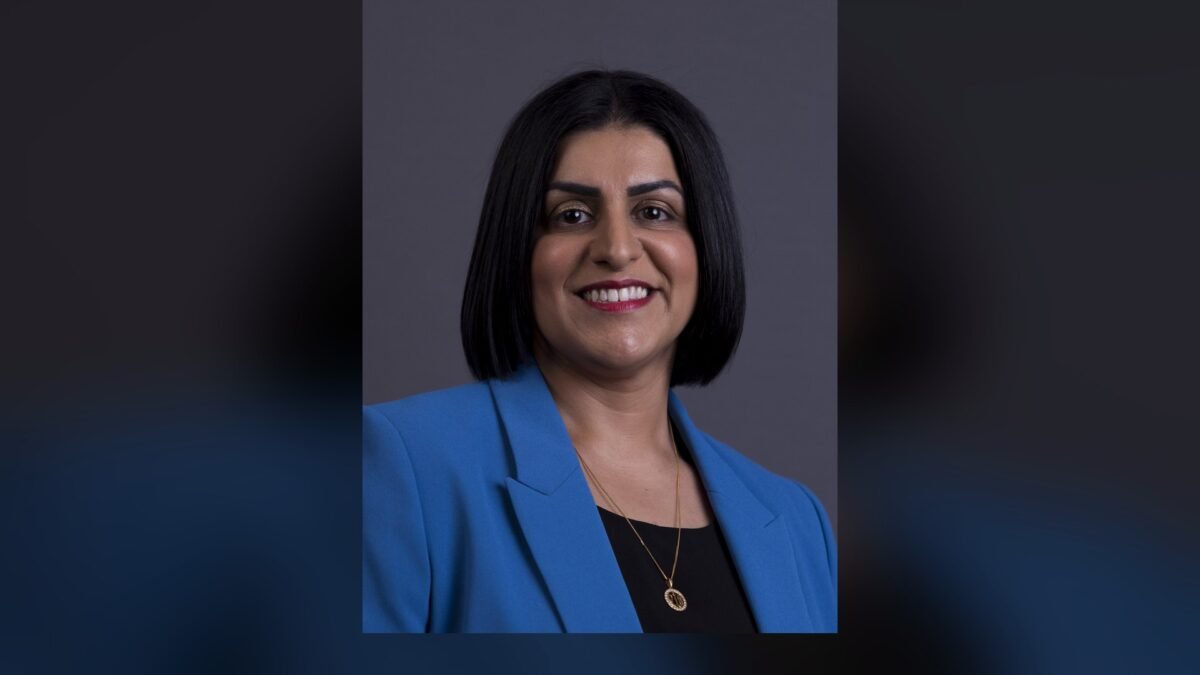
Home Secretary Shabana Mahmood has unveiled the biggest overhaul of Britain’s settlement rules in a generation, telling Parliament that permanent residence “should not be automatic. It should be earned.”
Under the new “earned settlement” policy, announced in the House of Commons on Monday, 2 November 2026, the standard wait for indefinite leave to remain (ILR) will double from five years to 10 for most migrants. But in a major concession after months of internal Labour pressure, most care workers already in Britain will keep their existing five-year route.
“Today the government publishes a policy called earned settlement,” Mahmood told MPs. “It ensures the period someone must live in this country before they settle is determined by the contribution they have made.”
Previously, she said, settlement rights “have come at five years, almost exclusively as a result of time spent in this country”.
Who keeps the five-year route — and who waits 10 years
The new system sorts migrants by contribution. A five-year path will remain open to higher earners on salaries of over £50,000, and to those who have contributed in healthcare and education in professions such as doctors, nurses and teachers.
The fastest route of all goes to the highest earners. Those earning over £125,000 — who, Mahmood said, will contribute £1.5 million in tax over their lifetimes — will be able to apply for settlement after three years, as will those who arrive on Britain’s highest talent schemes.
Everyone else will be placed on a 10-year path, including all those earning less than £50,000. Settlement will still be available to them, Mahmood said, but they will have to show a sustained contribution to the country, and they will be able to renew their existing temporary visas until that point.
The non-negotiable conditions
Before any of those time periods even apply, applicants must meet what Mahmood called “the non-negotiable expectations that we make of anyone who seeks to live here permanently”. They are: a clean criminal record; English spoken to a high standard; no unpaid debt to the British taxpayer; and three years of national insurance contributions.
Two further penalties apply. Those who commit an immigration breach will see settlement pushed back to 20 years, while those who have claimed benefits must have had five continuous years without falling back on the state before they apply.
Care workers: the big U-turn
The most politically charged part of the announcement concerned care workers. Under the original proposals, published in November 2025, foreign care workers faced a wait of up to 15 years for settlement — a plan that drew fierce criticism from senior Labour figures, including Housing Secretary Angela Rayner, who had described applying the rules retrospectively as unfair.
Mahmood has now softened that position substantially. Between 2022 and 2025, around 250,000 people and their dependants arrived on, or switched into, the social care route. Those who earned £25,000 a year working in the social care sector — the condition of their visa — will be able to settle on their existing five-year path.
Around a quarter of those who came between 2022 and 2025 did not meet that condition. They will be offered a second chance: they can apply for another five-year care visa, and they will not be tied to their old employer, allowing workers with rogue sponsors to break away. At the end of that new five-year visa, they will be able to apply for settlement once more.
The government said it has already stripped around 1,800 exploitative sponsors of their licences, and will now help affected workers find a position with a legitimate provider, giving them a longer period to do so before their existing visa is curtailed. Mahmood noted that tens of thousands of legitimate vacancies remain in the care sector.
The same transitional arrangement will be applied to public-sector workers in roles identified by the Migration Advisory Committee in healthcare and education, such as auxiliary nurses. But there is a cut-off: these transitional arrangements apply only to those who joined before the government published its immigration white paper in May 2025.
What about skilled workers already in Britain?
For skilled workers outside care and the protected public-sector roles, there is no equivalent exemption. Mahmood was explicit that “the rules around settlement are determined when a settlement decision is made, not at the point when someone arrives” — a position she said is long established and has been tested conclusively in the courts.
In practice, that means a skilled worker who arrived expecting to qualify for ILR after five years will now, unless they earn over £50,000 or work in a protected profession, wait 10 years instead. Their temporary visas can be renewed in the meantime, but settlement itself will come later.
A small number of groups keep their current path entirely, including Hong Kong British nationals, overseas members of the armed forces, those with a British connection, and those on legacy routes such as Windrush.
Refugees face a 20-year wait — 30 for small-boat arrivals
The reforms are toughest on refugees. Those who come to Britain on one of the government’s new safe and legal routes will be placed on a five-year path to settlement — as fast as the route for higher earners. But the standard disqualifying period for all other refugees will become 20 years, with a further 10 years added for those who entered by an illegal method, such as by small boat — a 30-year wait in total.
Mahmood told MPs that British citizens were paying £4 billion a year to fund asylum support.
Why it matters
The announcement ends almost a year of uncertainty that began when the original proposals were published in November 2025 and drew more than 200,000 responses in consultation. The government argues the changes are needed because around 350,000 lower-skilled workers and their dependants who arrived after Brexit are expected to become eligible for settlement in the coming years — something Mahmood has said could cost the taxpayer £10 billion over their lifetimes, citing Migration Advisory Committee figures.
Critics, including the Conservative shadow home secretary Chris Philp, have already called the care-worker concession a U-turn, while unions and care providers had warned that the original 15-year plan would make the care system unworkable. Supporters of the reform say linking settlement to earnings, tax and integration is long overdue.
What happens next matters as much as the announcement itself. A statement in the Commons does not by itself change the law: the new rules must be laid before Parliament in a formal statement of changes to the Immigration Rules. Until that happens, the existing rules remain in force — and the precise transitional provisions, which will decide exactly who falls into which group, will only be clear once that document is published.
Sources: The Guardian, Politics live blog, 2 November 2026; Reuters, 2 November 2026; Home Office consultation on earned settlement.

About the Author — Abdul Mannan
Related Articles

Mahmood Scraps 15-Year Settlement Wait for Care Workers in Major Climbdown on Earned Settlement
Home Secretary Shabana Mahmood has scrapped the plan to make migrant care workers wait up to 15 years…

Burnham Unveils £700m Fund to Unlock Ten Industrial Sites in Reindustrialisation Drive
Prime Minister Andy Burnham has launched a £700 million Strategic Sites Accelerator to unlock up to ten major…

Burnham Opens Door to Formal Slavery Apology but Rules Out Reparations as Commonwealth Summit Opens
Prime Minister Andy Burnham has said he is open to a formal British apology for the transatlantic slave…