
Peshawar High Court Takes Up PTI Challenge to KP Emergency and Governor’s Rule, Issues Notices to the Centre

The Court Steps In
The Peshawar High Court (PHC) on Tuesday opened judicial proceedings in the constitutional battle over Khyber Pakhtunkhwa, issuing notices to the Attorney General of Pakistan and other federal authorities in petitions challenging the emergency and governor’s rule imposed on the province, according to The News. The move marks the moment the dispute over the suspended PTI-led provincial government moved from the floor of parliament into the courts — and it is there, rather than in street protests or press conferences, that the fate of the takeover will now most likely be decided.
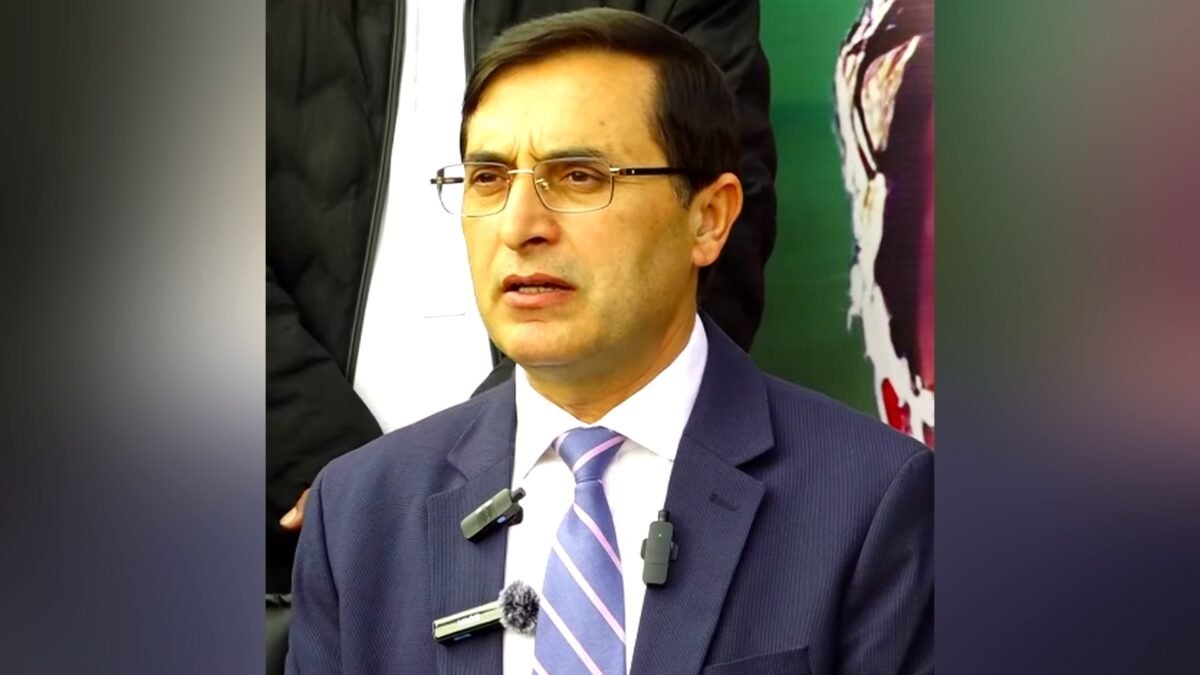
A two-member bench comprising Justice Ijaz Anwar and Justice Faheem Wali presided over Tuesday’s hearing, the newspaper reported. The petitions were filed separately by PTI Chairman Barrister Gohar Ali Khan and Advocate Salman Khan, each asking the court to declare the emergency and governor’s rule unconstitutional and set them aside.
The federal government imposed both measures in KP — a province governed by Imran Khan’s Pakistan Tehreek-e-Insaf (PTI) since 2013 — on October 11, citing rising terrorism and the provincial government’s refusal to cooperate with counterterrorism operations. Governor Faisal Karim Kundi, of the Pakistan People’s Party (PPP), has been running the province on behalf of the Centre since, assisted by an 11-member technocratic KP Advisory Council.
What Happened in Court on Tuesday
According to The News, PTI’s counsel argued first, contending that an emergency under the Constitution can be imposed only in the event of war or external interference. “There is neither war nor external aggression here,” the lawyer told the court.
Barrister Gohar, who appeared in person, told the bench that the governor’s rule and the emergency had been imposed on the same day — alongside the formation of the advisory council and the transfer of 38 deputy commissioners across the province. He further alleged that 12 of the party’s members of the National Assembly and 13 members of the provincial assembly had been abducted. “Our offices have been demolished, and plaques marking the inauguration of development projects have been broken,” he said, alleging that his party was being treated differently from others. The abduction and demolition claims are his allegations; the court has not made findings on them.
The bench issued notices and sought responses from the Attorney General and the respondents. Reporting by Pakistan State Time said the court adjourned the hearing on the main petitions until November 10.
PTI had amended its petition a day earlier, on October 19, arguing — according to a summary of the filing published by Zark News — that Article 232 of the Constitution requires a resolution from the provincial assembly before an emergency can be declared in a province, and asking the court to suspend the emergency notification.
The Petitions’ Constitutional Arguments
The challenge rests on the interpretation of Articles 232 and 234 of Pakistan’s Constitution. The emergency was proclaimed under Article 232, which deals with a proclamation of emergency on the grounds of war, external aggression, or internal disturbance beyond the power of a provincial government to control; the governor’s rule was imposed under Article 234, which deals with the failure of constitutional machinery in a province. President Asif Ali Zardari approved both moves on the advice of Prime Minister Shehbaz Sharif following a federal cabinet decision, the Presidency said.
PTI’s petition, filed through lawyer Ali Zaman, argues that terrorism cannot be a reason to strip an elected provincial government of its powers. According to the Daily The Destination’s account of the petition’s contents, the party calls the move discriminatory, pointing out that Balochistan has seen violence and loss of life without any governor’s rule being imposed — and that KP itself was governed through years of intense militancy between 2007 and 2015 without such measures being taken.
The petition also notes that PTI won a two-thirds majority in KP in the 2024 elections, and argues that governor’s rule must follow the exact procedural rules laid down in Article 234, while the emergency must satisfy Article 232 and the parliamentary requirements attached to it. The petition names the Federation of Pakistan, the president, the prime minister, the KP governor and other officials as respondents, and was filed alongside a separate petition by the opposition alliance Tehreek Tahaffuz Aiyeen-e-Pakistan (TTAP), moved by MWM chief Allama Raja Nasir Abbas, opposition leader Mahmood Khan Achakzai and other leaders.
Both houses of parliament endorsed the proclamations in votes on October 14 and 15 — a step required by the Constitution within its approval window — despite fierce PTI protests. The TTAP responded by announcing it was ending negotiations with the Centre over what it called unconstitutional measures.
The Missing Leaders and the Recovery Petitions
Running parallel to the constitutional challenge is a second, darker strand of litigation. The Peshawar High Court also heard recovery petitions concerning deposed Chief Minister Sohail Afridi, KP Assembly Speaker Babar Saleem Swati, and Junaid Akbar — figures whose whereabouts have been disputed since the emergency was imposed.
According to SAMAA TV, a separate two-member bench headed by Justice Syed Arshad Ali issued notices to the federal government, the chief secretary, the Inspector General of Police and other authorities, seeking their responses in the recovery petitions. The petitioners’ counsel argued that the individuals had been taken into custody following the imposition of emergency and governor’s rule, and that their whereabouts were not known. The court questioned why the chief secretary had not initially been made a party to the case, sought responses from the relevant authorities, and adjourned the hearing until November 3.
The whereabouts question has been hanging over the crisis since the takeover. PTI has said its leadership was swept up in the federal move; the government has not publicly confirmed custody of the named figures. The court’s willingness to take up the recovery petitions alongside the main constitutional challenge means the two threads — the legality of the takeover and the treatment of those swept up in it — will now run on parallel courtroom calendars.
How We Got Here: October 11 and the Emergency
The emergency and governor’s rule were imposed on October 11 after President Zardari approved the federal cabinet’s recommendation. According to the Prime Minister’s Office, cabinet members took note of the “provincial government’s deliberate disengagement from the fight against terrorism,” and, given what they called the gravity of the situation, proposed that the prime minister advise the president to impose an emergency in the province.
The Centre’s stated case has been built around the security situation. Defence Minister Khawaja Asif said earlier this month that about 6,200 terrorism incidents, 1,200 deaths and 37 suicide attacks had taken place in the province over the past two years, carried out by Afghan nationals — with 14 suicide attacks this year alone, according to a report of his remarks. The Prime Minister’s Office said attacks on government facilities, critical infrastructure and law enforcement agencies had increased, and alleged that the provincial government had failed to demonstrate sufficient commitment to curbing terrorism and maintaining law and order.
Prime Minister Shehbaz Sharif said on October 17 that the federal government had been “compelled” to impose the measures, describing the move as a “last attempt” after rounds of negotiations between the opposition and a joint delegation of the PPP and the federal government. He said talks had continued “day and night for 48 hours” with a draft agreement under which PTI was to withdraw its call for a long march — and that he had held several meetings with Sohail Afridi, whose chief ministership became non-functional following the imposition of governor’s rule, as well as with his predecessor Ali Amin Gandapur.
PPP Chairman Bilawal Bhutto-Zardari, speaking in Karachi on October 18, had said the emergency and governor’s rule could be lifted if the opposition engaged with the federal government on a joint counterterrorism plan, calling the takeover a conditional offer. And on October 20, Defence Minister Asif struck a softer public note, calling on the opposition to discuss terrorism and advising PTI to break free from social media — while claiming that voices within PTI were emerging in favour of pursuing politics rather than confrontation, according to The News.
Analysis: Why It Matters
The courtroom has become the real arena
For all the sound and fury of the past nine days — the joint-sitting shouting matches, the TTAP’s walkout from negotiations, the demolition allegations — the dispute has now entered the one venue where the federal government cannot simply outvote the opposition: the judiciary. Notices are routine procedure, not a ruling, but they signal that the court takes the constitutional questions seriously enough to demand the Centre’s answers within days. The Attorney General’s response, due within two days of the court’s direction, will be the first formal articulation of the federal government’s legal defence since the proclamations were issued.
The Article 232 fight is the hinge of the whole case
Strip away the political theatre and the case turns on a dry but decisive question: can an emergency under Article 232 be grounded in a counterterrorism failure, or does the article demand something closer to war or external aggression? PTI’s counsel has planted its flag on the narrowest reading — war or external interference — and added the sharper procedural claim that Article 232 requires a provincial assembly resolution first. The federal government’s defence will have to explain how a deterioration in law and order, however grave, rises to the constitutional threshold the article sets. That is a debate the courts have never had to settle in quite these terms, and the answer will echo far beyond KP.
The recovery petitions raise the human stakes
The main petitions ask an abstract question about constitutional power. The recovery petitions ask a concrete one: where are the province’s elected leaders? The court’s decision to hear both — and to summon the chief secretary and the police chief for answers — suggests the judiciary is not content to let the human dimension of the emergency fade behind procedural argument. If the authorities fail to produce satisfactory answers by November 3, the Centre could find itself fighting a battle over disappeared politicians at the same time as it defends the constitutional architecture of the takeover.
The Centre’s own posture is shifting
Khawaja Asif’s October 20 outreach — urging the opposition to talk about terrorism, pointing to voices inside PTI favouring politics over confrontation — sits awkwardly beside the imagery of demolished party offices and detained leaders. It may be tactical softening ahead of the court dates, or it may signal a genuine attempt to find a political settlement alongside the legal one. Either way, the government seems to have recognised that winning the constitutional argument while losing the political one is a poor bargain: an emergency the courts uphold but the province rejects is a victory that governs nothing.
What the calendar says
The court’s timetable is doing quiet work here. Responses within two days, recovery-petition replies by November 3, the main hearing on November 10 — this is a judiciary managing a crisis on an accelerated clock rather than letting it fester into a frozen standoff. Two weeks of legal limbo will keep the province’s political life suspended, but it also gives both sides a face-saving corridor: the government can claim its measures were lawful until the court says otherwise, and PTI can claim the courts will vindicate it. Whether that corridor leads anywhere depends on what happens after November 10 — and on whether either side is prepared to lose gracefully in a courtroom.
What to Watch Next
- The Attorney General’s response: Due within two days, this will reveal the Centre’s full legal justification for the emergency — and whether it engages with PTI’s “neither war nor external aggression” argument.
- The recovery-petition hearing on November 3: The court will want answers on the whereabouts of Sohail Afridi, Babar Saleem Swati and Junaid Akbar. Evasion will be harder than silence.
- The November 10 hearing: The first substantive hearing of the main petitions — the moment the court begins testing the two sides’ constitutional theories against each other.
- TTAP’s next move: The opposition alliance ended talks with the Centre over the takeover; its own petition adds a parallel pressure track that could complicate any negotiated settlement.
- The Centre’s political track: Bilawal’s conditional offer and Asif’s call for dialogue suggest the government still wants a political settlement — watch whether the advisory council and Governor Kundi make any conciliatory gestures before the court dates.
Sources
- The News: PHC issues notice to AG on PTI petitions against KP governor’s rule, emergency
- Islamabad Post: PHC seeks AG’s response on PTI petitions against KP emergency measures
- DNA News Agency: PHC seeks AG’s response on PTI petitions against KP emergency measures
- Zark News: PTI Takes Khyber Pakhtunkhwa Emergency Fight to Peshawar High Court as Hearing Opens
- Sabah News: Federal government “compelled” to impose emergency measures and Governor’s Rule in KP, says PM Shehbaz
- Daily The Destination: PHC October 20 Hearing Set on PTI Plea Against KP Emergency

About the Author — Abdul Mannan
Related Articles
Pakistan Army Chief Asim Munir Heads to Tehran as Pakistan Pushes to Revive US-Iran Diplomacy
What we know Pakistan’s army chief, Field Marshal Asim Munir, is due in Tehran on Tuesday for talks…
Shehbaz Sharif Pushes FBR Reform Overdrive, Weighs New Tax Agency as Rs650 Billion Shortfall Looms
Prime Minister Shehbaz Sharif ordered an acceleration of FBR reforms and a nationwide faceless tax system as the…
Bilawal Bhutto-Zardari Says KP Emergency Could End if Opposition Engages on Counterterrorism Plan
PPP Chairman Bilawal Bhutto-Zardari said Sunday that the emergency and governor's rule in Khyber Pakhtunkhwa could be lifted…