
Centrica Boss ‘Hugely Concerned’ as January Energy Bills Set to Jump £443 and Unpaid Debts Pile Up

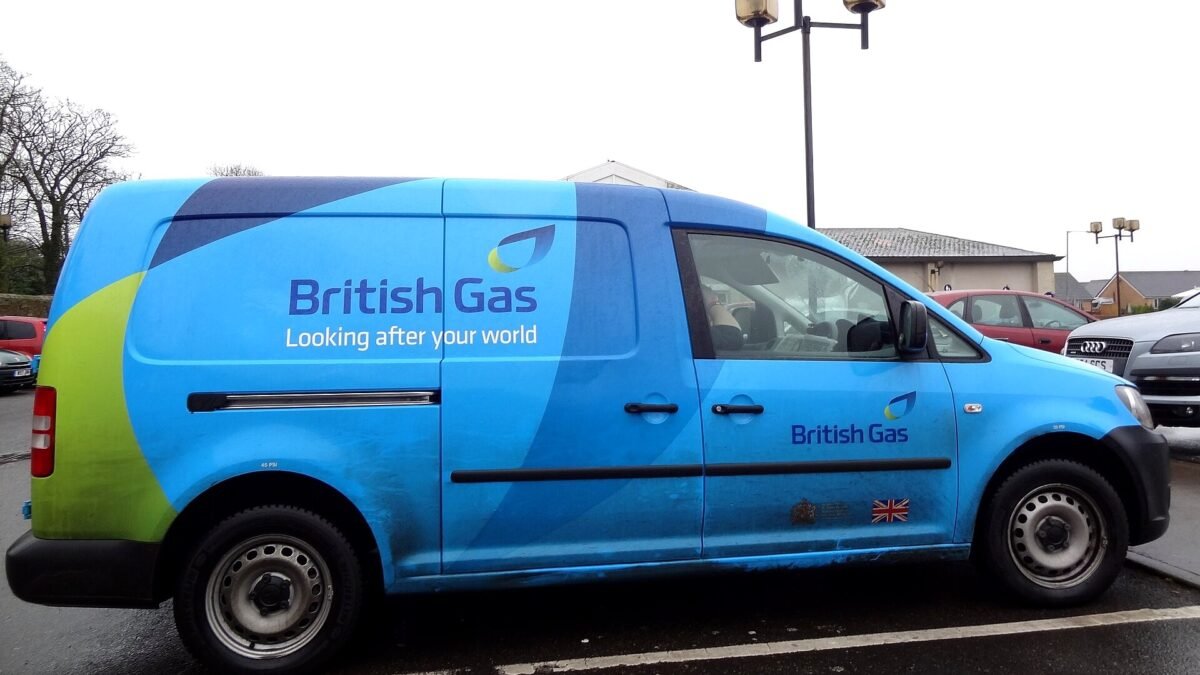
The boss of British Gas owner Centrica has said he is “hugely concerned” about the impact of a steep rise in household energy bills expected in January, warning that the number of people unable or unwilling to pay will grow as prices climb. Chris O’Shea told the BBC that forecasts pointing to a substantial increase from the start of next year were “materially correct”, and that the rise would land at the worst possible moment for family finances.
According to energy consultancy Cornwall Insight, regulator Ofgem’s price cap is forecast to rise by 26 percent from 1 January, adding £443 a year to the bill of a typical household and taking it to £2,166. Ofgem is due to confirm the new cap on Wednesday, 25 November. The cap governs the maximum price suppliers can charge for each unit of gas and electricity, and it applies to about 20 million households in England, Scotland and Wales.
Speaking on the BBC’s Sunday with Laura Kuenssberg programme on 22 November, O’Shea said the first quarter of the year was when households used the most energy. “That’s right at the point where people will be paying for Christmas and the like. So I am hugely concerned,” he said.
His warning was not only about the size of the increase. O’Shea said Britain already had a “massive problem” with people not paying their energy bills, with some customers unable to pay and an increasing number choosing not to. He said the collective impact meant that “every single electricity consumer is paying about £1.50, £1.60 a week to cover the cost of people that are not paying their bills, and it’s just going to get worse when bills go up”. At £1.60 a week, that adds up to about £83 a year for every paying household.
The scale of unpaid energy debt underlines his point. According to Ofgem, the amount owed to energy suppliers by households reached £5 billion in the April to June period of 2026. Energy UK, the industry body, has said the total is likely to have hit a record £6 billion in the first half of this year and is on course to reach £7 billion by the end of the year, with the average customer in debt owing around £1,800. Energy UK has also warned that household energy debt could rise by a further £1 billion in the first half of 2027 alone if prices stay high.
What O’Shea warned
O’Shea’s intervention matters because of who he is and where he said it. As chief executive of Centrica, he runs the parent company of British Gas, the country’s largest domestic energy supplier, and his remarks came on one of the BBC’s flagship Sunday politics programmes, days before Ofgem announces the January cap. He did not dispute the forecasts. He endorsed them, describing predictions of a substantial increase as “materially correct”, and he connected the coming rise directly to the debt already sitting on suppliers’ books.
The distinction he drew was an important one. Some households cannot pay their bills because their incomes do not stretch far enough. Others, he said, are increasingly choosing not to pay. Both groups add to the same pile of unpaid debt, and the cost of that debt does not disappear. It is recovered through the bills of customers who do pay, in the form of higher charges built into the price cap. That is why O’Shea’s figure of £1.50 to £1.60 a week matters: it turns an abstract debt total into a concrete cost carried by every household that keeps up with its payments.
O’Shea has raised the alarm about energy debt before. In 2023 he told the Daily Mirror that bad debt and direct debit cancellations were the worst he had seen in his time at the company, and that customers were going into winter in a worse financial state than the year before. The figures published since then suggest the problem has not eased. Debt has continued to climb, and the coming price rise threatens to push it higher still.
His comments also carried an implicit challenge to the way the system handles non-payment. When a supplier cannot collect what it is owed, the shortfall is spread across all bill-payers rather than absorbed by the company or the state. That mechanism, known as mutualisation, means that households already struggling with their own bills end up subsidising the debts of others. O’Shea’s warning suggests that this arrangement is coming under growing strain, and that a further sharp rise in prices could make it worse.
The January rise in numbers
The forecast rise is large by any measure. Cornwall Insight expects the cap to jump by £443 a year for a typical household, from the current level of £1,723 to £2,166. That is an increase of about 26 percent in a single quarterly reset, and it would take bills to their highest level since 2023, when the energy crisis was at its peak.
The current cap, which runs from 1 October to 31 December 2026, already rose by 3.6 percent from £1,663 in the previous quarter, according to figures published by MoneySavingExpert. For a household paying by direct debit, the cap is £1,723 a year on typical use, or about £144 a month. The widely quoted figure is an illustration based on typical consumption of 2,500 kilowatt hours of electricity and 9,500 kilowatt hours of gas a year, and it is not a limit on any individual household’s total bill. The more energy a household uses, the more it pays.
The timing of the rise is what makes it particularly painful. Households use about two-thirds of their energy over the winter months, and January and February are usually the coldest months of the year. The higher rates will therefore apply exactly when consumption is at its highest, and when many families are still paying off the cost of Christmas. O’Shea made that point directly, and it is the reason his warning has struck a chord.
There is also a quirk in the way the headline figure is calculated that campaigners say understates the real impact. The fuel poverty charity National Energy Action has pointed out that Ofgem has twice reduced its assumed typical household consumption since 2022, cutting the assumed annual gas use from 12,000 kilowatt hours to 9,500 and electricity from 2,900 to 2,500. On the charity’s calculations, using the consumption values in place in 2023, a typical household will pay £871 for energy between January and March 2027, against an effective cost of £724 for the same three months in 2023 once government support is taken into account. That is £150 more than at the height of the energy crisis. Even after adjusting the 2023 figure for 19 percent inflation, the charity says, households would still pay about £9 more this winter in real terms.
National Energy Action published its analysis on 17 November, the day before its Fuel Poverty Awareness Day, and it has urged the government to use its £15 billion Warm Homes Plan to retrofit the leakiest low-income homes. The charity’s message is that the crisis never really ended for the poorest households; it simply became less visible as the headline cap figure fell.
A debt spiral that every bill-payer funds
The most troubling part of O’Shea’s warning is the spiral it describes. Higher bills push more households into arrears. More arrears mean more unpaid debt. More unpaid debt means higher charges for the customers who do pay, which in turn pushes more of them towards difficulty. Energy UK’s briefing, published on 3 October, describes the same dynamic in stark terms: household energy debt is already at record levels, it is set to reach £7 billion by the end of this year, and it could increase by a further £1 billion in the first half of 2027 alone.
Energy UK estimates that the average household already pays around £67 a year towards debt recovery costs, a figure that sits alongside O’Shea’s estimate of £1.50 to £1.60 a week for the cost of non-payment. The two figures measure slightly different things, but they point in the same direction: the price of other people’s unpaid bills is now a visible line on every household’s energy costs.
The industry body has also warned that the price cap has already risen by £246 between April and October 2026, and that bills are effectively back at the level that triggered universal government support in the winter of 2022-23. Almost a quarter of the population is financially vulnerable, according to Energy UK, with a further quarter at risk. Millions of households, it says, are simply unable to cope with another jump in the cost of living.
The debt figures also reveal something about the state of household finances more broadly. Energy debt is not rising in isolation. Households are under pressure from food prices, council tax, mortgage costs and other bills, and energy is often the bill that gets missed first, because the consequences of not paying are slower to arrive than, for example, missing a rent payment. O’Shea himself made that connection in 2023, when he said that people struggling with the cost of living were struggling with interest payments, council tax and food at the same time, and described the situation as “awful”.
There is also a question of fairness in how the cost is shared. Because the cost of unpaid bills is spread across all customers through the price cap, a household in a small flat pays the same weekly amount towards other people’s debts as a household in a large house. The system is, in that sense, regressive: it takes no account of ability to pay. O’Shea raised a similar point in 2021, when he told a House of Lords committee that the cost of failed suppliers would fall on every home in the country, and argued that such costs should be met through general taxation rather than energy bills.
Government help, and why charities say it falls short
The government has announced two measures to soften the blow. Some households will receive a £100 payment to help with energy bills this winter, a policy announced in the Budget. The government has also temporarily cut the 5 percent VAT on electricity bills until the end of June next year, which is expected to save the typical household about £45 a year.
Consumer groups and charities have said the help will not be enough. Citizens Advice described the £100 payment as “a drop in the ocean” and warned that there would be “cold-related deaths” this winter. “For someone in a lot of debt, who can’t afford their bills, it’s not going to touch the sides,” the charity said. Charities have separately warned that the £100 payment will provide only limited relief for households facing a predicted 26 percent increase in the price cap from January.
The Fuel Poverty Action Group went further, arguing that the government and Ofgem needed to take stronger action against energy companies. “Our inflated energy prices are driven by inflated energy firm profits,” the group said. “Government and Ofgem must take stronger action against this blatant profiteering whilst we suffer in cold homes, or are forced into debt.”
That criticism touches on a long-running argument about energy company profits. Energy firms operating in the UK are subject to a windfall tax introduced in 2022, and when the windfall tax is added to other taxes, the overall tax rate on profits earned by oil and gas companies operating in the UK is 78 percent, according to the BBC. But campaigners argue that the profits made by suppliers and generators remain high while households struggle, and that the system protects companies more effectively than it protects consumers.
National Energy Action estimates that around six and a half million UK households are in fuel poverty, defined as spending more than 10 percent of net income on energy after housing costs. Pensioners, single-parent households and households in older, less efficient housing are disproportionately affected. For those households, a £100 payment and a £45 VAT saving do not come close to covering a £443 rise in the annual bill.
How the price cap works
The energy price cap was introduced by Ofgem on 1 January 2019, with the aim of preventing the millions of households on expensive variable tariffs from being overcharged. It is reviewed every three months, in January, April, July and October, and it sets the maximum price a supplier can charge for each unit of gas and electricity, as well as the daily standing charge. It does not set a maximum total bill.
For the current period, from 1 October to 31 December 2026, the average direct debit rates are 26.32 pence per kilowatt hour for electricity, with a standing charge of 54.83 pence a day, and 7.97 pence per kilowatt hour for gas, with a standing charge of 29.68 pence a day. Households that pay by cash, cheque or quarterly direct debit face a higher cap of £1,861 a year on typical use, while prepayment customers pay £1,678.
The cap has a history of sharp movements. It peaked at the equivalent of £4,279 a year in the first quarter of 2023, before the government’s Energy Price Guarantee capped bills at £2,500 for a typical household and the Energy Bills Support Scheme provided a £400 rebate to all households. The guarantee was withdrawn in mid-2023, and the cap has since settled at a lower level, but it has been climbing again through 2026. It rose from £1,663 in the July to September quarter to £1,723 in October, and the forecast January figure of £2,166 would be the largest single quarterly jump since the crisis.
One of the cap’s weaknesses, exposed during the crisis, is that it follows wholesale prices upwards as readily as it follows them down. When market prices soar, the cap rises with them, leaving households with no cheaper option. Fixed tariffs offer an escape for those who can lock in a rate, but many of the households most at risk are on standard variable tariffs, either because they have never switched or because they cannot pass a credit check for a fixed deal.
Why prices are rising again
Wholesale energy prices paid by suppliers have been rising this year as a result of the conflict in the Middle East, which has pushed up bills for households, according to the BBC. Britain imports a large share of its gas, and gas sets the price of electricity in the UK market, so disruption to global energy supplies feeds quickly into domestic bills.
But wholesale prices are only part of the story. The cap is built from eight cost components, including network charges, policy costs and operating costs, and several of those are rising for structural reasons. Britain’s network companies have been given the green light to spend £28 billion upgrading the gas and electricity grids, forming the first part of a wider investment pipeline that could cost around £90 billion if approved. The investment will go towards new pylons and cables to connect wind farms being built around the British coastline, and it will primarily be funded through higher network charges on household energy bills.
Ofgem estimates that the grid upgrades will add £108 a year to bills by 2031, according to figures reported by City A.M. That long-term pressure sits uneasily with the government’s pledge to bring down average energy bills, and it is one reason O’Shea has warned that electricity bills could be higher in 2030 than they were at the peak of the Russian invasion of Ukraine. He told an event hosted by the Energy Institute that the UK was playing catch-up after years of underinvestment, and that two-thirds of future costs would come from system costs rather than wholesale prices. “We’ve underinvested in the system for many years, and whether it’s the cost of building a new gas-fired power station or a new wind farm, the costs have gone up,” he said.
The result is that households face pressure from two directions at once: volatile global energy markets in the short term, and the rising cost of rebuilding Britain’s energy infrastructure in the long term. Neither is within the control of individual households, and neither is likely to ease quickly.
Analysis: Why It Matters
O’Shea’s warning matters for three reasons, and each of them goes beyond the January price rise itself. The first is the scale of the increase. A 26 percent jump in a single quarter is the kind of rise that breaks household budgets, particularly when it lands in the coldest months of the year. The typical household figure of £2,166 is an average, and many households will pay considerably more. For families already cutting back on heating, food or other essentials, there is little left to cut.
The second reason is the debt spiral. O’Shea’s most important point was not the size of the rise but the mechanism it feeds. Every household that falls behind adds to a pile of debt that every other household must help to pay off. That is a system designed to spread risk, but when the number of households in difficulty grows large enough, the spreading itself becomes a burden. The £1.50 to £1.60 a week that O’Shea cited is already a meaningful sum for a low-income household. If debt rises by another £1 billion in the first half of 2027, as Energy UK warns it could, that weekly figure will rise too, and the households paying it will include many who are themselves only just managing.
The third reason is political. The January rise arrives at a moment when the government is already under pressure on the cost of living, and when its flagship support measures are being described by charities as inadequate. The £100 payment and the VAT cut are real help, but they are dwarfed by the scale of the rise, and they are temporary. The Warm Homes Plan, the government’s longer-term answer, will take years to retrofit the country’s leakiest homes. In the meantime, households face a winter in which, according to National Energy Action, they will pay more for energy than they did at the height of the crisis in early 2023.
There is also a credibility question for the energy market itself. The price cap was created to protect consumers from being overcharged, yet it has become the mechanism through which the costs of supplier failures, unpaid bills and network upgrades are passed to households. O’Shea’s own history illustrates the tension: he has repeatedly warned about the burden on bill-payers, while running a company whose profits have drawn criticism from campaigners. That does not make his warning wrong. If anything, it makes it harder to dismiss, because it comes from inside the industry rather than from its critics. But it does underline how broken the conversation has become when the head of the country’s biggest supplier and the fuel poverty charities are, in different ways, saying the same thing: the current system is not working for households.
The deeper question is whether Britain’s energy system is structured to deliver affordable bills at all. The cap was designed for a world of stable wholesale prices and modest network investment. It now has to cope with volatile global gas markets, a £90 billion grid rebuild, the cost of failed suppliers, and a mountain of household debt. Each of those pressures is loaded onto the same bill, and each is recovered from the same households. The government’s answer has been targeted support and a temporary VAT cut. Energy UK has called for an additional targeted support package, an ambitious energy debt strategy, and for the costs of renewable energy schemes to be moved from bills into general taxation. None of those proposals has yet been adopted.
For households, the practical consequences are immediate. Anyone on a standard variable tariff will see their bills rise in January, and the rise will be steepest for those who use the most energy, which often means the households in the coldest, least efficient homes. Those who can fix their tariff before January may be able to shield themselves, but fixing requires confidence that prices will not fall, and it is not an option for households in debt or with poor credit. The charities’ advice is consistent: contact your supplier early, ask about hardship funds and repayment plans, and seek help from Citizens Advice or National Energy Action before arrears build up.
What to watch next
The immediate date to watch is Wednesday, 25 November, when Ofgem announces the January to March 2027 price cap. Cornwall Insight’s forecast of £2,166 has been described by O’Shea as “materially correct”, but the final figure could differ, and the market will be watching for the exact number and for Ofgem’s explanation of what drove it.
The second thing to watch is the government’s response. Ministers have so far pointed to the £100 payment and the VAT cut, but charities and the energy industry are both calling for more. Energy UK wants a targeted support package and a debt strategy. National Energy Action wants the Warm Homes Plan spent on retrofitting low-income homes. Citizens Advice wants more generous help for households in debt. Whether the government moves before January, and in which direction, will shape how painful the winter becomes.
The third is the debt figure itself. Ofgem publishes household debt data quarterly, and the next release will show whether the £5 billion recorded in April to June has continued to climb. If Energy UK’s projection of £7 billion by the end of the year proves accurate, the debate about who pays for unpaid bills will intensify, and with it the argument about whether the cost should continue to fall on bill-payers or be met through taxation.
Finally, watch the political argument. The Conservatives have already sought to link rising bills to the government’s energy policies, and the shadow energy secretary has argued that bills would rise even if gas use fell to zero, because of the cost of building a new system. The government, for its part, argues that the long-term answer is to reduce reliance on gas through electrification and renewables. Both claims contain elements of truth, and neither offers much comfort to a household facing a £443 rise in January. The winter will test which of those arguments the public finds convincing, and it will test, more urgently, whether millions of households can keep their homes warm without falling further into debt.
Sources
- BBC News: Centrica boss says he is ‘hugely concerned’ over impact of soaring energy bills (reproduced by Finwire)
- The Scottish Sun: Households not paying their energy bills are costing YOU £83 a year and will only get worse warns Centrica boss
- Energy UK: Economic defence — tackling energy bills in winter 2026/27
- National Energy Action analysis (via Retrofit Today): Winter energy bills to top 2023 peak
- MoneySavingExpert: What is the Energy Price Cap?

About the Author — Abdul Mannan
Related Articles
Theresa May Tells Burnham ‘Brexit Is Done — Move On’ as Former Prime Ministers Split Over EU Rejoining Talk
Theresa May has told Andy Burnham to "accept Brexit and move on", saying she is "aghast" at the…
Cancer Does Change You: Princess of Wales Opens Up in Deeply Personal BBC Documentary ‘Heal’
Catherine, Princess of Wales, speaks more openly than ever about her cancer journey in 'Heal', a BBC documentary…

Barnham Votes to Leave the UK in Symbolic Referendum Over Asylum Centre Plan at RAF Barnham
Residents of the Suffolk village of Barnham voted 257 to 16 to symbolically leave the UK in protest…