
FDA Orders Vision-Loss Warning on Ozempic, Wegovy, Mounjaro and Zepbound Over Rare Eye Condition

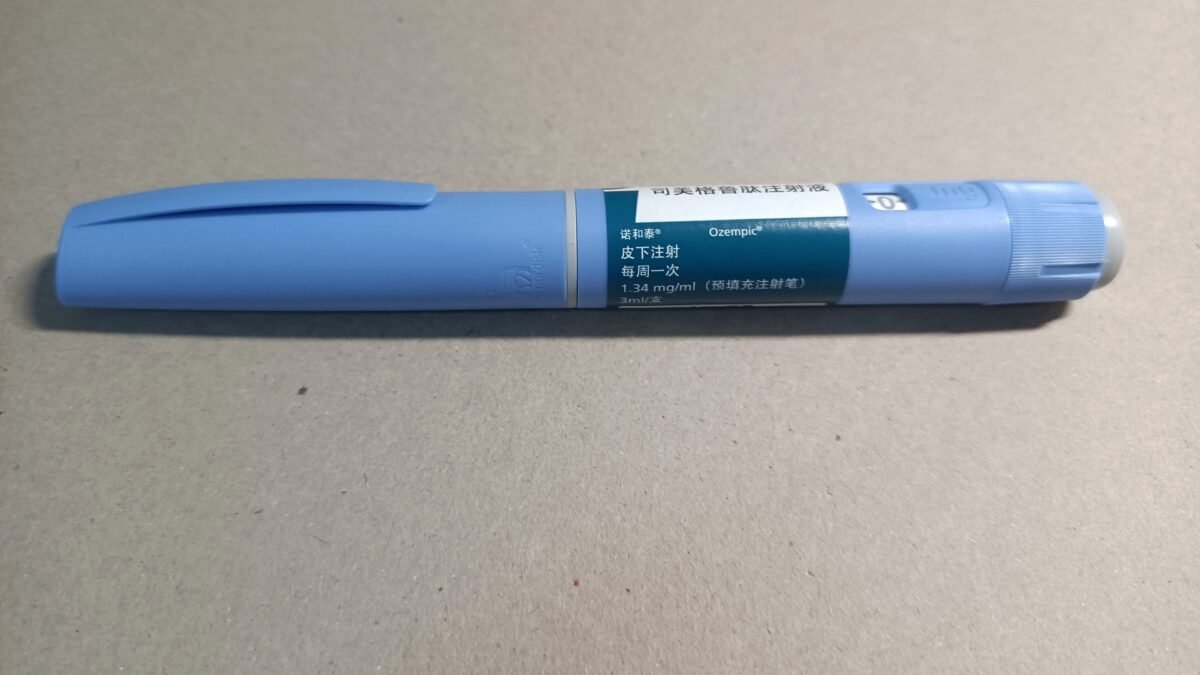
The United States Food and Drug Administration has ordered makers of the world’s most popular weight-loss and diabetes medicines to add a warning about a rare eye condition that can cause sudden, permanent vision loss to every product label, in the most significant safety action yet for a drug class now used by tens of millions of people.
According to the FDA, the warning covers all glucagon-like peptide-1 receptor agonists, known as GLP-1 drugs, including Novo Nordisk’s Ozempic and Wegovy and Eli Lilly’s Mounjaro and Zepbound. The agency announced the decision in a Drug Safety Communication published on Monday, 9 November, requiring the manufacturers of a dozen approved GLP-1 medicines to add information about the potential increased risk of non-arteritic anterior ischemic optic neuropathy, or NAION, to the Warnings and Precautions section of their labelling.
NAION occurs when blood flow to the front of the optic nerve drops, and it is a common cause of sudden, painless vision loss, according to Reuters. The FDA described it as “a rare condition that can result in acute, painless, decreased vision in one eye, including permanent vision loss”, and said the underlying cause “is not completely understood”.
The decision lands on a drug class that has become one of the biggest commercial stories in the history of medicine. GLP-1 therapies are forecast to generate more than $84.5 billion in combined global sales this year alone, according to Evaluate’s 2026 Preview report, with Lilly’s tirzepatide projected to become the world’s best-selling drug. The FDA was careful to say it has not told patients to stop taking their medicine, and both drugmakers pushed back on the idea that a cause-and-effect relationship has been established. But the label change, which follows two years of published research and a fast-growing pile of lawsuits, will now sit on the packaging of every GLP-1 prescription filled in the United States.
What the FDA found
The FDA’s review began after a study published in July 2024 in JAMA Ophthalmology reported a possible link between semaglutide, the active ingredient in Ozempic and Wegovy, and NAION. The agency said that although it identified several limitations in that study, it decided that further assessment of the potential risk was warranted, and it undertook what it called a comprehensive evaluation of clinical trial data, animal data and post-marketing data, including observational studies and case reports.
The centrepiece of the review was a meta-analysis of 126 randomised controlled trials covering 134,253 patients, with 288,879 person-years of exposure. The FDA found 15 probable NAION cases in total: 10 among the 78,217 patients treated with a GLP-1 drug and five among the 56,036 patients who received a comparator, all five of them on a placebo. No cases were found in patients who received other types of glucose-lowering drugs. That produced an overall NAION rate of 6.4 cases per 100,000 person-years in patients treated with GLP-1 drugs, compared with 3.8 per 100,000 in the comparison groups, a gap of about 2.6 extra cases per 100,000 person-years.
The agency also ran a retrospective cohort study using its Sentinel Real-World Evidence Data Enterprise, looking at adults with type 2 diabetes who started a GLP-1 drug or another common diabetes medicine between 2019 and 2024. In that much larger real-world population, NAION rates ranged from 26 to 32 cases per 100,000 person-years, higher than in the trials because the patients were older and sicker. The study found no statistically significant increase in risk for GLP-1 drugs compared with SGLT-2 inhibitors, with a hazard ratio of 1.19, but it did find an increased risk compared with DPP-4 inhibitors, with a hazard ratio of 1.43.
Published observational studies pointed the same way. The FDA said methodologically rigorous studies “consistently reported an increased risk of NAION in patients with type 2 diabetes mellitus who initiated GLP-1 RAs compared to those who initiated DPP-4 inhibitors or SGLT-2 inhibitors”. Animal data, by contrast, did not identify any mechanism by which the drugs could raise the risk, and the agency was candid that no single data source settled the matter. Its conclusion was deliberately measured: “there is a potential increased risk of rare NAION events in patients taking GLP-1 RAs”.
The FDA also noted that NAION cases have now been reported for every GLP-1 product currently on the market, which is why the warning is class-wide rather than limited to semaglutide. It said risk factors for the condition can include smoking, diabetes, high blood pressure, sleep apnoea, anaemia and kidney disease, according to USA Today, many of which overlap with the very conditions the drugs are prescribed to treat, making the reports difficult to interpret on their own.
Which drugs are affected
The labelling change reaches a dozen medicines approved since 2005, according to USA Today. On the Novo Nordisk side, the list includes Ozempic, Wegovy and Rybelsus, which all contain semaglutide, as well as the older drugs Victoza and Saxenda, which contain liraglutide, and the combination product Xultophy. On the Eli Lilly side, it covers Mounjaro and Zepbound, which contain tirzepatide, Trulicity, which contains dulaglutide, and Foundayo, the oral drug orforglipron approved earlier this year. Sanofi’s Soliqua is also covered.
That breadth matters. Most of the scientific attention so far has centred on semaglutide, because the two studies that triggered the review both examined that drug. By applying the warning to the whole class, the FDA has gone further than European regulators, whose 2025 change listed NAION as a very rare side effect of semaglutide only. The US warning will now appear on the labels of drugs whose makers had not previously faced this specific question, including Lilly’s tirzepatide franchise, which is currently the best-selling GLP-1 product in the world.
What patients and doctors are being told
The FDA did not order the drugs withdrawn, restricted or placed under a boxed warning, the strongest form of label warning. It also did not tell patients to stop taking their medicine. Instead, it advised prescribers to tell patients to report immediately any sudden, painless loss of vision, visual field deficit or other visual disturbance in one eye, according to Ophthalmology Times.
That advice reflects the nature of NAION itself. The condition typically strikes suddenly, often noticed first thing in the morning on waking, and the vision loss it causes can be permanent. There is no proven treatment that reverses it once it occurs, which is why early recognition matters even though the absolute risk is very small. For most patients, the practical message is unchanged: keep taking the medicine as prescribed, but treat any sudden change in vision as something to report to a doctor the same day.
The agency’s communication, published on Monday morning, was posted on its own social media account at 10:32 a.m. Eastern Time, calling NAION “a rare condition that can result in acute, painless, decreased vision in one” eye. It gave no date for when the updated labels must appear, leaving the timing of the new Warnings and Precautions language to the individual manufacturers.
Two years of evidence, and a debate that is not settled
The road to Monday’s decision began in July 2024, when researchers at Massachusetts Eye and Ear published a study in JAMA Ophthalmology finding that patients prescribed semaglutide appeared to face a higher risk of NAION. In a cohort of 710 patients with diabetes, the study reported a hazard ratio of 4.28 for the risk of the condition at 36 months of follow-up, according to a review published in the journal Eye.
A much larger study followed in March 2025, also in JAMA Ophthalmology. Led by researchers at China Medical University in Taiwan, it tracked 174,584 patients with diabetes who received semaglutide and an equal number of matched patients taking diabetes medicines from other classes, using a global electronic health registry covering October 2019 to December 2023. It found that semaglutide use was associated with a significantly increased risk of NAION, with an overall hazard ratio of 2.22. The increased risk did not appear in the first year of treatment, but it was present at two years, with a hazard ratio of 2.39, at three years, at 2.44, and at four years, at 2.05. Patients with diabetes and hypertension on semaglutide faced a higher risk still, with a hazard ratio of 2.42. The authors cautioned that the retrospective design of the study prevented them from establishing direct causality.
Not every study has agreed. A separate multinational population-based study by Chou and colleagues found no statistically significant increase in NAION risk associated with semaglutide use, a contradiction the review in Eye noted explicitly. The American Academy of Ophthalmology had also said that the available evidence did not support a blanket US warning, according to Becker’s Hospital Review, a position the FDA has now effectively overruled with its totality-of-evidence approach.
Europe moved first. In June 2025, the European Medicines Agency’s safety committee said NAION may affect up to 1 in 10,000 people taking semaglutide for at least one year, and the warning was added to the labels of Wegovy and Ozempic in Europe, as well as in the UK, the EU, Denmark and Australia. Until Monday, it had been absent from US labels. The FDA had listed NAION with GLP-1 drugs as a potential signal of a serious risk in its October-to-December 2024 quarterly report, with a status note dated 6 March 2025, but it had not acted until its own review was complete.
The drugmakers push back
Novo Nordisk, which makes Ozempic and Wegovy, told Reuters that it “continues to believe the data do not establish a cause-and-effect relationship” and that it remains confident in the benefit-risk profile of its GLP-1 medicines. A spokesperson, Liz Skrbkova, told USA Today that the company would continue to “monitor the safety of our medicines, review new research and work with health authorities around the world”.
Eli Lilly, which makes Mounjaro and Zepbound, struck a similar note but with a different emphasis. A spokesperson said the FDA communication “applies to all medicines with GLP-1 RA activity and does not reference any findings specific to Lilly medicines”, adding that the company was “carefully evaluating the update and will respond to the FDA promptly”. The distinction matters to Lilly: its tirzepatide products were swept into a class-wide warning driven largely by semaglutide data, and the company will now have to decide how to present that to doctors and patients.
Neither company said on Monday when its updated labels would appear, and neither suggested it would challenge the FDA’s decision. The warning goes into the Warnings and Precautions section, not the boxed warning at the top of the label, which limits its immediate commercial impact while still putting the risk formally on the record.
A growing courtroom shadow
The label change arrives as litigation over GLP-1 eye injuries gathers pace. Federal cases alleging vision loss were centralised as multidistrict litigation MDL 3163 in the Eastern District of Pennsylvania on 15 December 2025, before Judge Karen Marston, with failure to warn among the claims against Novo Nordisk and Eli Lilly. The docket held 247 eye-injury cases as of October, up from 29 in January, according to Medscape, and no firm trial timelines had been set.
The wider pool of claims is larger still. As of September, at least 4,000 consolidated claims alleged that GLP-1 drugs caused vision loss, according to Becker’s Hospital Review, a figure that covers cases in state and federal courts. Dozens of lawsuits have been filed by consumers who allege the medicines permanently damaged their eyesight, according to USA Today, and the central argument in many of them is that the manufacturers knew, or should have known, about the eye risk and failed to warn patients in time.
Monday’s decision complicates that argument in both directions. For plaintiffs, the FDA’s own finding of a potential increased risk, reached after reviewing 126 trials and its own real-world data, is powerful support. For the companies, the same document records that the evidence is mixed, that no mechanism has been identified, and that causation has not been established, which is the position both have taken all along. What the label change does remove is the argument that no warning was needed at all. From now on, the warning is there.
The market shrugged
Investors, for their part, barely blinked. Eli Lilly shares rose 4.28 per cent on Monday to close at $1,411.95, up from $1,354 on Friday, while Novo Nordisk’s US-listed shares rose 2.65 per cent to $41.38, and its Copenhagen-listed shares gained 1.24 per cent to 272.8 Danish kroner, according to market data. Both stocks were carried higher by a broader market rebound after the sharp technology sell-off of the previous week, and the warning had been widely anticipated after Europe acted in June and the FDA flagged the signal last year.
Analysts were similarly calm. Evan Seigerman of BMO Capital Markets said the regulatory change was not expected to have an impact on GLP-1 usage in the United States. An analyst quoted by CNN made the same point in broader terms, saying the FDA action “may temporarily increase patient and investor concern, but the rarity of NAION and substantial weight, glycemic, cardiovascular, renal, and sleep apnea benefits should preserve a favorable benefit-risk profile and limit changes to prescribing”.
The commercial stakes explain why the market is watching so closely. Lilly reported third-quarter revenue of $24.4 billion, up 39 per cent, with Mounjaro sales of $10.7 billion and Zepbound sales of $5.35 billion in the quarter, and it raised its full-year 2026 revenue guidance to $91 billion to $92 billion. Novo Nordisk reported third-quarter net sales of 79.2 billion Danish kroner on 4 November. Evaluate forecasts that tirzepatide will generate more than $45 billion in global sales this year and semaglutide about $39.5 billion, making them the two best-selling drug franchises in the world. IQVIA data shows weight-loss GLP-1 drugs generated $55 billion in sales over the past 12 months, up from $2 billion in 2022, while diabetes GLP-1 drugs make up a $98 billion market. Goldman Sachs forecasts a $114 billion global anti-obesity market by 2030.
That scale is the real context for Monday’s decision. A risk that affects a handful of people per 100,000 becomes, across tens of millions of users, a real number of real patients, and a real number of lawsuits. At the same time, the drugs’ benefits, which now extend well beyond weight loss and blood sugar into cardiovascular, kidney and sleep apnoea outcomes, are the reason regulators have chosen a label warning rather than any restriction on use.
Analysis: Why It Matters
A warning, not a withdrawal, and the distinction is the story
The most important thing about Monday’s decision is what it is not. The FDA did not pull any GLP-1 drug from the market, did not restrict who can be prescribed one, and did not impose a boxed warning, the regulatory equivalent of a red flag at the top of the label. It ordered a paragraph in the Warnings and Precautions section. That choice is itself a judgement: the agency believes the risk is real enough to be disclosed and small enough that the drugs should keep being used. For patients, that is reassuring and unsettling at the same time, because it leaves the decision where it has always been, with the individual and their doctor, but now with one more fact on the table. The history of drug safety is full of label changes that looked minor on the day and turned out to be turning points, and full of others that were forgotten within a year. Which category this one falls into will depend on what the next round of studies finds.
The numbers are small until you multiply them by tens of millions
The FDA’s headline figures sound almost negligible: 6.4 cases of NAION per 100,000 person-years on a GLP-1 drug, against 3.8 per 100,000 without one, a gap of about 2.6 extra cases per 100,000 people treated for a year. In the general population, the condition affects between two and 10 people per 100,000. But those are rates, and rates are not the same as numbers. With tens of millions of people now taking GLP-1 drugs, and the class forecast to generate more than $84 billion in sales this year, a rate of a few per 100,000 translates into thousands of affected patients worldwide. That arithmetic is exactly why regulators act on rare risks in blockbuster drugs and why the same risk in a niche medicine might never make the news. It is also why the observational studies matter so much: the randomised trials, for all their rigour, produced only 15 cases between them, far too few to be certain about anything. The real-world data, with its hundreds of thousands of patients, is where the signal actually lives, and it is also where the confounding lives, because the people who take these drugs are precisely the people already at risk of the condition.
The courtroom is now the second front
For Novo Nordisk and Eli Lilly, the label change is not only a medical communication, it is a legal event. The 247 eye-injury cases in the federal multidistrict litigation and the thousands of consolidated claims behind them all turn, in large part, on a single question: did the companies warn patients soon enough? Until Monday, the companies could point out that no US label mentioned NAION, that the American Academy of Ophthalmology had said the evidence did not support a blanket warning, and that the studies themselves were inconclusive. From today, the FDA’s own review sits on the public record, and the labels will carry the warning. That does not decide the lawsuits, and the FDA’s careful language about causation gives the defence plenty to work with, but it changes the frame. The next phase of the litigation will be fought over timing: what the companies knew, when they knew it, and whether the European warning in June 2025 should have prompted a US warning sooner. Investors should expect that fight to run for years, and to produce headlines that move the shares in both directions.
A market that has learned to price in bad news
That both companies’ shares rose on the day of the announcement tells its own story. A decade ago, a safety warning on a flagship drug could cut a pharmaceutical share price by a fifth overnight. On Monday, Lilly rose more than 4 per cent and Novo rose nearly 3 per cent, because the market had already done the maths: the warning was expected, it does not restrict prescribing, analysts do not expect it to change usage, and the drugs’ benefits across weight, blood sugar, heart, kidney and sleep apnoea dwarf a risk measured in a handful of cases per 100,000. There is a harder reading too. The GLP-1 market has become so large, and the two companies’ valuations so dependent on it, that investors have a powerful incentive to treat each new risk as manageable. That incentive is not wrong, but it is worth remembering that the history of blockbuster drugs is also a history of risks that looked manageable until they were not. The market’s calm is a judgement, not a guarantee.
What this says about safety in the age of the blockbuster
The deeper significance of Monday’s decision is structural. GLP-1 drugs are no longer a diabetes treatment or even a weight-loss treatment; they are becoming a mass-market, long-term therapy taken by healthy people for years, with new oral versions arriving and new indications being tested. The safety questions that follow are different in kind from those of a drug taken for a few weeks by a few thousand people. They are questions about tiny risks multiplied across enormous populations, about effects that only emerge after two or three years of use, and about evidence that arrives in fragments, from registries and insurance databases rather than from clean trials. The FDA’s review, cobbling together 126 trials, a Sentinel database study, animal data and case reports, is a portrait of how drug safety now works: no single study decides anything, and the regulator’s job is to weigh an incomplete picture and still make a call. Monday’s call was to warn. The next call, if the evidence hardens, could be sterner, and the companies know it.
What to Watch Next
- The updated labels: the FDA gave no deadline for the new Warnings and Precautions language, so watch for when each manufacturer files its revised labelling and whether any company seeks different wording.
- Company statements: both Novo Nordisk and Eli Lilly said they were evaluating the decision; any fuller response, particularly from Lilly on its tirzepatide products, will show how the industry intends to talk about the risk.
- Prescriber guidance: watch for updated guidance from diabetes and ophthalmology societies, and for whether doctors change how they counsel patients starting a GLP-1 drug for the first time.
- The litigation: MDL 3163 in the Eastern District of Pennsylvania holds 247 eye-injury cases, with no trial dates set; the FDA’s review is likely to feature heavily in the next round of filings.
- Further research: the evidence is still contradictory, with one large 2025 study finding more than double the risk after two years and another finding no significant increase; new studies now in progress could tip the balance either way.
- The oral drugs: the warning covers the new oral GLP-1 pills, Novo’s Wegovy pill and Lilly’s Foundayo, which are only just reaching patients; watch whether the warning affects their launches.
- Quarterly results: both companies report again in early 2027; listen for whether either mentions the warning, prescription trends or legal provisions on its earnings call.
Sources
- FDA Drug Safety Communication: FDA Requires Safety Labeling Changes for GLP-1 Receptor Agonists Due to Potential Increased Risk of NAION (9 November 2026)
- Reuters: US FDA orders new eye risk warnings for Ozempic, Zepbound (9 November 2026)
- USA Today: FDA says popular GLP-1 drugs linked to rare risk of vision loss, blindness (9 November 2026)
- CNN: US FDA orders new eye risk warnings for Ozempic, Zepbound (9 November 2026)
- Becker’s Hospital Review: FDA orders new vision loss warnings for top GLP-1 drugs (9 November 2026)
- Ophthalmology Times: FDA requires NAION warning across the GLP-1 receptor agonist class (9 November 2026)

About the Author — Abdul Mannan
Related Articles

Markets Steady After $3 Trillion AI Rout as Strong US Jobs Data Pushes Fed Hike Odds Towards 80%
Wall Street steadied on Monday after a $3 trillion AI sell-off, as Asian markets rebounded and a stronger-than-expected…

China’s Factory Inflation Hits Four-and-a-Half-Year High as Consumer Prices Cool, Exposing a Split-Screen Economy
China's producer prices rose 5.7% in October — the fastest in nearly four and a half years —…

Nvidia Opens Independent Investigation as CEO Jensen Huang Admits Affair Amid Claims He Was Targeted by Chinese Intelligence
Nvidia's board has opened an independent investigation into reports that chief executive Jensen Huang was targeted by a…