
Fewer 18-Year-Olds Apply Early to Oxford, Cambridge and Medicine as Disadvantaged Applicants Also Slip, UCAS Figures Show

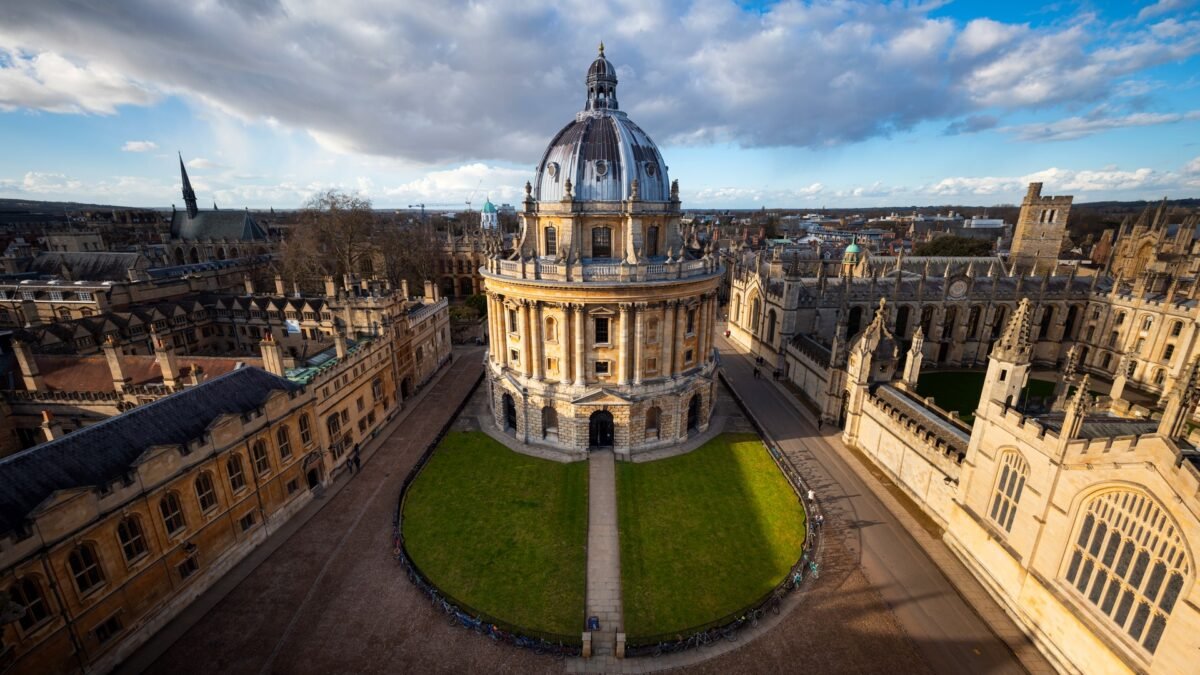
The number of 18-year-olds in the United Kingdom applying early to the country’s most selective universities and courses has fallen by almost 5 per cent, according to figures published by the Universities and Colleges Admissions Service (UCAS), in the first official snapshot of applications for entry in autumn 2027.
According to UCAS, 39,020 UK 18-year-olds applied by the 15 October deadline for courses at the University of Oxford and the University of Cambridge, and for most medicine, dentistry and veterinary medicine and veterinary science courses. That is down from 41,010 at the same point last year, a fall of 4.9 per cent from what UCAS describes as last year’s peak.
The figures, released on 29 October, cover only the early deadline, which typically accounts for about 10 per cent of all undergraduate applications UCAS will process in the cycle. They are therefore an early signal rather than a final verdict on demand for 2027 entry. But they will be read closely by universities, schools and policymakers, because the early pool is where competition for the most selective places is fiercest, and because the pattern of the fall — fewer school-leavers, fewer international applicants, and fewer applicants from the most disadvantaged backgrounds — touches on several of the sector’s most sensitive questions at once.
UCAS chief executive Dr Jo Saxton described the overall picture in blunt terms. According to UCAS, she said the figures showed “a concerning decline in the overall number of UK 18-year-olds and international students”, and added: “More concerning is the decline in applicants from the most disadvantaged backgrounds across the UK.”
In total, 76,600 applicants of all ages and from all countries had applied by 15 October, according to UCAS, down from 79,160 last year, a fall of 3.2 per cent. The Times Higher Education, reporting the same release, rounded the overall fall to 3 per cent. The small difference is a matter of rounding, not a disagreement about the underlying figures, which both outlets report from the same UCAS release.
The most striking counter-trend in the data is the rise in older school-leavers. The number of UK 19-year-old applicants rose by 16 per cent, from 5,920 last year to 6,880 this year. According to UCAS, that increase may signal a shift in applicant behaviour, with more young people taking additional time to consider their next steps before applying to higher education. Dr Saxton said the rise could indicate that young people were taking “additional time to consider their next steps”.
Mature applicants also rose. UCAS reports 6,810 UK applicants aged 21 and over by the early deadline, up from 6,600 last year, a rise of 3.2 per cent. Within that group, mature applicants to medicine rose by 5.2 per cent, from 4,920 to 5,180.
Medicine itself remains an exception to the general softening. Applications to medicine from all ages and all countries grew slightly, from 25,770 last year to 25,840 this year, a rise of 0.3 per cent. According to UCAS, that headline stability conceals a sharp rise in reapplicants to medicine, from 3,380 last year to 4,420 this year, with the majority of reapplicants aged 19. In other words, a significant part of medicine’s resilience this year comes from young people who did not secure a place last year and are trying again, rather than from a surge of first-time school-leavers.
The international picture is weaker. The total number of international undergraduate applicants through UCAS fell by 7.3 per cent, from 24,350 in 2025 to 22,560 in 2026, according to UCAS. China remains the largest international market, with 5,230 applicants, but that is 520 fewer than last year. Applicants from the United States fell by 350, a drop of 16.4 per cent, and applicants from Singapore fell by 130, or 7.2 per cent. The Times Higher Education also reports a decline in applicants from Hong Kong, without giving a figure in its summary of the release. The Times Higher Education links the international fall in part to a tightened immigration system and concern over rising visa rejection rates, a context UCAS itself does not spell out in its release but which has been a persistent theme in sector reporting through 2026.
The figures for applicants from disadvantaged backgrounds are the part of the release that has drawn the sharpest concern. UCAS measures disadvantage using the deprivation indices of each UK nation, counting applicants from the two most deprived quintiles in each case. In England, there were 15,730 applicants from Index of Multiple Deprivation quintiles 1 and 2, 350 fewer than last year. In Scotland, there were 510 applicants from Scottish Index of Multiple Deprivation quintiles 1 and 2, 40 fewer than last year. In Wales, there were 420 applicants from Welsh Index of Multiple Deprivation quintiles 1 and 2, 30 fewer than last year. Northern Ireland was the exception, with 260 applicants from Northern Ireland Multiple Deprivation Measure quintiles 1 and 2, 10 more than last year. Taken together, the Times Higher Education reports a 2 per cent decrease in early-deadline applicants from under-represented communities.
Those falls are small in absolute terms — a few hundred applicants across the four nations — but they matter because they run against the direction universities have been pushed to travel for years. Widening participation, the effort to ensure that the most selective universities admit a fairer share of students from disadvantaged backgrounds, has been a stated priority of governments, regulators and the universities themselves. A fall at the early deadline does not prove that the final 2027 intake will be less diverse: most applicants, including most disadvantaged applicants, apply by the main January deadline, not the October one. But it does mean that the selective end of the system starts the cycle with a slightly smaller pool of disadvantaged applicants than it had a year ago, and that schools and outreach programmes have less room for error between now and January.
It is also important to place the early-deadline fall in its recent context. The Times Higher Education notes that the figures follow record numbers of students in the most recent admissions round in August, but also an overall decrease in the entry rate for 18-year-olds, from 32 per cent in 2025 to 31.6 per cent this year. In other words, the system has just completed a very large intake, and the early signal for the next cycle is a little softer. That combination — a record year just finished, a softer start to the next — is one reason why analysts are cautious about reading too much into a single snapshot. Early-deadline figures are volatile, they cover a narrow slice of courses, and they are affected by how many young people choose to take a gap year, reapply, or wait for the January deadline.
The 19-year-old surge is a case in point. If a growing share of young people are deliberately delaying application by a year — whether to retake exams, gain work experience, save money, or simply decide more carefully — then a fall in 18-year-old applicants does not automatically mean a fall in total demand. It may mean demand is being deferred, not lost. The rise in medicine reapplicants points in the same direction: for the most competitive courses, a second attempt is now a well-trodden route, and the system is carrying a larger stock of determined returners than it did a year ago.
That said, the international fall is harder to explain away as timing. International applicants do not face the same gap-year dynamics in the same way, and a 7.3 per cent fall at the early deadline, with the largest markets all down, is consistent with a broader cooling in the UK’s appeal to overseas undergraduates that sector bodies have been warning about for some time. For universities that have come to rely on international fee income to cross-subsidise teaching and research, even a modest early fall is a warning light, not a crisis in itself, but a reason to watch the January figures closely.
The demographic background adds a further layer. The Higher Education Policy Institute has projected that the English 18-year-old population will grow until around 2030 and then decline, falling by around 18.5 to 19 per cent between 2030 and 2042 across higher-, mid- and lower-tariff providers on a neutral scenario. The House of Commons Library, in its briefing on equality of access and outcomes in higher education in England, notes that entry gaps are wider still at the most prestigious universities, and that pupils from more advantaged backgrounds are more likely to go to university, complete their course, gain the highest grades and earn more as graduates. The UCAS figures sit squarely in that longer story: a system approaching a demographic peak, with participation levelling off after two decades of growth, and with the most selective institutions still the hardest to reach for disadvantaged pupils.
For schools, the immediate message is practical. The equal consideration date for most other undergraduate courses is 13 January 2027, according to UCAS. That leaves time for the January pool to change the story entirely. Dr Saxton stressed that point, saying there was “still plenty of time for prospective applicants to explore their options ahead of the January Equal Consideration Date”. Outreach work in the autumn term, encouragement for disadvantaged pupils to apply to selective courses, and clear advice about gap years and reapplications will all matter more than usual this year, precisely because the early numbers leave less slack.
For universities, the figures raise a set of uncomfortable but familiar questions. If 18-year-old demand for the most selective courses is softening from a record high, should offers, outreach and contextual admissions adjust, or should institutions hold their standards and accept smaller, more competitive pools? If international demand continues to fall, how far can domestic growth — including from 19-year-olds and mature students — fill the gap? And if disadvantaged applicants are slipping at the early deadline, what does that say about the pipeline from schools in the most deprived areas, about confidence, information and cost, and about whether the system is reaching the pupils it says it wants to reach?
None of those questions will be answered by the January figures alone, and none should be answered on the basis of the October snapshot alone. What the snapshot does establish, firmly and on UCAS’s own primary data, is the starting point: 39,020 UK 18-year-olds in the early pool, down 4.9 per cent; 76,600 applicants overall, down 3.2 per cent; international applicants down 7.3 per cent; 19-year-olds up 16 per cent; medicine steady; and disadvantaged applicants down in three of the four nations. Everything else — whether this is a blip, a deferral, or the start of a softer cycle — is what the next three months, and the January deadline, will decide.
Analysis: Why It Matters
1. A record high makes a fall look bigger than it is — and smaller than it could be
The 4.9 per cent fall in 18-year-old early applicants comes from a record peak of 41,010 last year. That context cuts both ways. On one hand, a fall from a peak is normal: peaks, by definition, are hard to repeat, and a single-year correction need not signal a structural decline. On the other hand, the fact that the fall is concentrated among school-leavers, rather than spread evenly, suggests something more than statistical noise. Universities should resist both overreactions — declaring a crisis on one snapshot — and complacency — dismissing the fall because last year was exceptional. The honest reading is that demand at the selective end is cooling from a very high level, and the question is whether it stabilises or keeps sliding into January.
2. The disadvantaged-applicant fall is small in numbers and large in meaning
A few hundred fewer disadvantaged applicants will not transform any university’s intake on its own. But widening participation is judged on direction of travel, and a fall in three nations at once, in the very pool where selective universities recruit, is a direction nobody in the sector wants to see. It also matters because disadvantaged pupils are the group least able to absorb bad advice, missed deadlines or discouragement. If the early pool is thinner, the January pool must work harder — through school outreach, contextual offers and clear information about finance — to produce an intake that is at least as diverse as last year’s. The January deadline, not the October one, will be the real test.
3. The 19-year-old surge may be the most important number in the release
It is easy to focus on the headline fall and miss the 16 per cent rise in 19-year-olds, but that rise may tell us more about how young people are now navigating the system. A gap year is no longer a luxury for the well-off; for many, it is a strategy — to improve grades, reapply to medicine, earn money, or simply avoid rushing a life-changing choice at 17. If that behaviour is becoming structural, universities will need to plan for older, more deliberate cohorts, and schools will need to advise pupils that delaying is a legitimate route, not a failure. It also means headline 18-year-old figures will increasingly understate total young demand, and analysts who ignore the 19-year-old line will misread the cycle.
4. International softness is the slow-burn risk
Domestic fluctuations can be deferred, retried or recovered in January. International demand, once lost, is harder to win back, because it depends on visa policy, global competition, exchange rates and reputation in markets where the UK competes with the United States, Canada, Australia and Europe. A 7.3 per cent early fall, with China, the United States and Singapore all down, fits a pattern of tightening that the sector has been living with for two years. The risk is not a single bad year but a compounding one: fewer international undergraduates means less fee income, which means less capacity to invest in the teaching, facilities and outreach that attract the next cohort, domestic and international alike.
5. Demography will decide the next decade more than any single cycle
The longer backdrop, set out by the Higher Education Policy Institute, is that the 18-year-old population grows to around 2030 and then falls sharply, by close to a fifth by 2042. That means the current softness, if it persists, would arrive just as the demographic tide turns against the sector. Universities that use the next few years to broaden their applicant base — older students, mature students, disadvantaged pupils, international students from a wider range of markets — will be better placed for the contraction than those that rely on a single cohort growing forever. The UCAS snapshot is therefore best read not as a verdict on 2027, but as an early warning about the kind of system the UK will need when the school-leaver pool stops growing.
What to Watch Next
- The January equal consideration figures, due after 13 January 2027, which will show whether the early fall was deferred demand or lost demand, and whether disadvantaged applicants recover in the main pool.
- Medicine and dentistry offer and acceptance data, which will reveal whether the surge in reapplicants translates into places, or simply into a larger, more competitive queue for the same number of seats.
- University outreach and contextual-offer announcements in the autumn term, and whether selective institutions adjust their approach in response to the thinner disadvantaged early pool.
- International application trends by market through January, particularly China and the United States, and any further signals on visa policy or rejection rates that could explain the early fall.
- The next UCAS cycle commentary on 19-year-old and mature applicants, to test whether the gap-year and returner surge is a one-year effect or a lasting change in how young people enter higher education.
Sources
- UCAS — UCAS releases undergraduate application data from 15 October deadline (29 October 2026)
- Times Higher Education — ‘Concerning’ drop in 18-year-olds applying for early UCAS deadline (29 October 2026)
- Higher Education Policy Institute — Demographic decline and predatory recruitment (May 2026)
- House of Commons Library — Equality of access and outcomes in higher education in England
- British Universities and Colleges Sport — The changing nature of the UK higher education student population

About the Author — Abdul Mannan
Related Articles

Sir Patrick Stewart Dies Aged 86: Star Trek’s Captain Picard and X-Men’s Professor X Remembered
Sir Patrick Stewart, the Yorkshire Shakespearean actor who became Captain Jean-Luc Picard and Professor Charles Xavier, has died…

Poundland Files Notice to Appoint Administrators as 12,000 Jobs Hang in the Balance
Poundland has filed a notice of intention to appoint administrators, giving the discount chain 10 working days of…

Healey Uses Bank Tax to Fund £100 Energy Payments in First Budget Built for ‘Breathing Space’
Chancellor John Healey's first Budget offers £100 energy payments to 20 million households, funded by a temporary rise…