
Israel Strikes Iran’s Nuclear Sites, Iran Hits US Base in Saudi Arabia as Rubio Promises War Will End ‘in Weeks’

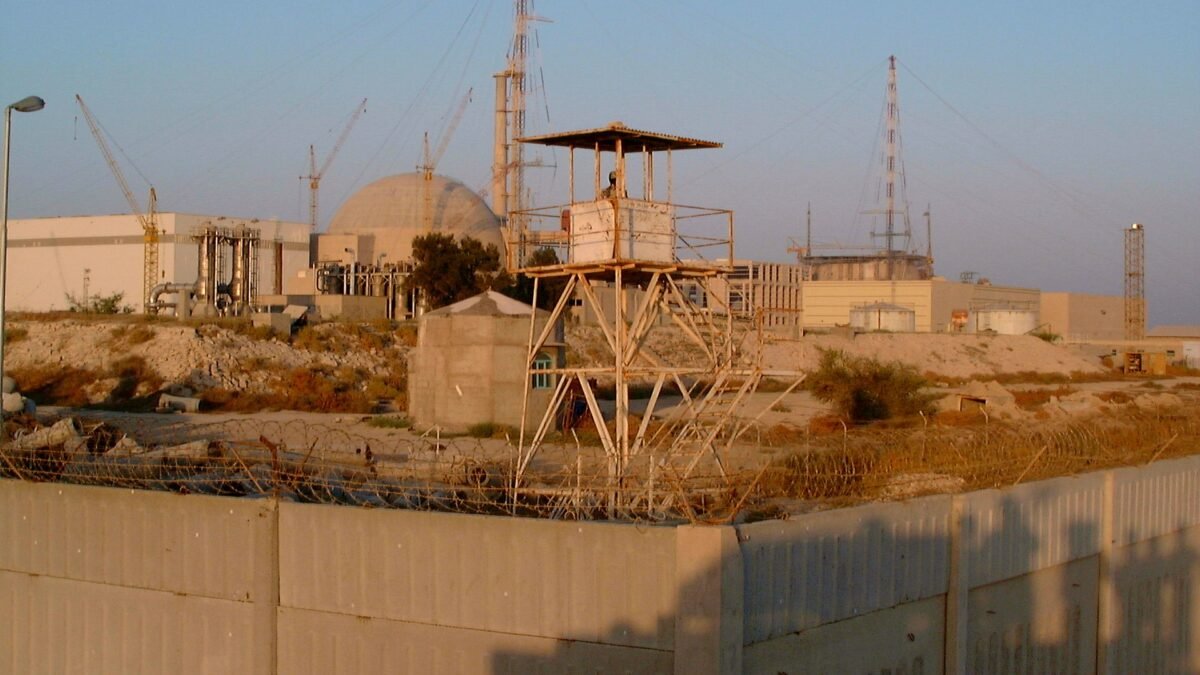
Heavy explosions shook Tehran on Saturday as the United States and Israel sharply escalated their eight-month war against Iran, with Tehran reporting that the Russian-built Bushehr nuclear power plant had been attacked for the third time this month and Israel confirming fresh strikes on the Arak heavy water plant in central Iran. Iran answered with missile and drone attacks across the Gulf that wounded at least ten American troops at Prince Sultan Air Base in Saudi Arabia — even as Washington’s top diplomat insisted the conflict would end “in weeks, not months” and a 15-point American peace proposal sat awaiting Tehran’s reply.
The renewed barrage, described by the BBC’s live Middle East coverage as among the heaviest exchanges of recent weeks, struck in the past couple of hours, with heavy strikes heard across the Iranian capital. Iran’s Foreign Minister Abbas Araghchi said US and Israeli strikes were targeting civilian sites and warned that his country would “exact a heavy price”. On the other side of the Gulf, the United Arab Emirates said its air defences had engaged ballistic missiles and drones launched from Iran, while sources told the BBC’s American partner CBS News that ten US soldiers were injured in the Iranian strike on the Saudi airbase.
What we know about the latest exchange
According to the Associated Press, Israel struck Iran’s nuclear facilities on Friday, hours after threatening to “escalate and expand” its campaign against Tehran. Iran vowed to retaliate and then struck a base in Saudi Arabia, wounding US service members and damaging aircraft. The AP, citing two US officials familiar with the situation who spoke on condition of anonymity to discuss sensitive military matters, reported that at least ten American troops were wounded in the attack on Prince Sultan Air Base, with two of them seriously hurt according to one of the officials. Several refuelling aircraft were damaged in the strike.
The Bushehr nuclear power plant, Iran’s only operational civilian reactor on the Gulf coast, was the most striking target named by Tehran. Iran says the facility has now been attacked three times this month, though officials reported no casualties or extensive damage from the latest hit. Separately, Israel said it had hit the Arak heavy water plant in central Iran — a facility Western intelligence has long regarded as a potential source of weapons-grade plutonium.
On his X account, Foreign Minister Araghchi also accused Israel, acting in coordination with the United States, of hitting two steel factories and a power plant. He argued the strikes contradicted President Donald Trump’s recently extended deadline for diplomacy, writing that the attack came despite the president’s decision to give talks more time. Iran would exact a “heavy price” for what he called Israeli crimes, he said.
Diplomacy continues between the explosions
Remarkably, the fighting unfolded in parallel with a diplomatic track that Washington insists is moving forward. Trump’s special envoy Steve Witkoff said the US was hopeful of holding meetings with Iran “this week” and expected an answer to a 15-point deal that the Americans have put before Tehran. According to the BBC’s live coverage, Witkoff believes the proposed agreement could resolve the conflict entirely.
Secretary of State Marco Rubio, in an interview with ABC News, said the United States was causing significant damage to Iran’s navy and defence industrial base and predicted the war’s objectives would be achieved “in a matter of weeks, not months”. Rubio described Iran as being at its “weakest point” and said Washington would not allow Tehran to control the Strait of Hormuz indefinitely.
But Iran’s willingness to engage remains in doubt. A senior Iranian official told Reuters that Tehran had not yet decided whether to respond to the proposal the US sent earlier this week after attacks on industrial and nuclear infrastructure on Friday. The official said Iran had expected to deliver its response by Friday or Saturday, but described the continuing strikes while Washington was seeking talks as “intolerable”.
How the war got here
The conflict began on 28 February, when the United States and Israel launched coordinated operations against Iranian targets that killed Supreme Leader Ayatollah Ali Khamenei in the opening hours. President Trump initially predicted a short campaign, describing it in March as a “short-term excursion” that would be finished quickly, and administration officials said they expected it to conclude in “weeks, not months”. More than seven months later, the war has instead settled into a grinding air, naval and missile campaign across the Middle East, with Iran’s navy and the US blockade of the Strait of Hormuz becoming central fronts.
A fragile truce brokered in the spring collapsed on 8 July after ship strikes in the Strait, and the war has since widened steadily. On Thursday, Trump extended a deadline by ten days for Iran to reopen the blockaded Strait of Hormuz, warning that Tehran’s civilian energy grid would otherwise face attacks. That warning has now partly materialised: Bushehr’s perimeter was hit, a power plant was among the targets named by Tehran, and the Gulf states — the UAE, Saudi Arabia, Qatar and Bahrain among them — find themselves absorbing Iranian retaliation for hosting American bases.
The economic toll is mounting alongside the military one. Global oil prices have climbed above $110 a barrel as the blockade and the strikes on Gulf energy infrastructure — including the shuttering of several Saudi offshore oil fields — have rattled markets. The UN announced a task force to address the war’s ripple effects on aid delivery, after Tehran agreed to allow humanitarian and agricultural shipments through the Strait, a concession announced by Iran’s ambassador to the UN in Geneva.
Analysis: Why It Matters
The nuclear sites are back in the crosshairs
The choice of targets tells the story of this escalation better than any communiqué. Bushehr is a civilian power station, built by Russia, with IAEA-monitored fuel; Arak’s heavy water reactor was never fuelled with uranium and contained no nuclear material when previously struck, according to the IAEA. Hitting them a third time — Bushehr has now been attacked three times in October alone, according to Tehran — is not primarily about degrading weapons capacity. It is about pressure: a signal that nothing in Iran’s industrial and energy infrastructure is off-limits until Tehran concedes at the negotiating table. The risk is that the line between coercion and catastrophe is thinner than Washington’s rhetoric suggests. A misjudged strike on a live reactor complex, or on the Russian technicians who have historically been present at Bushehr, could transform a managed pressure campaign into something far harder to contain.
The wounded Americans change the political arithmetic
Ten wounded American troops at a Saudi airbase — two seriously, according to the AP’s US officials — is exactly the kind of event that reshapes domestic debate in Washington. The war was already unpopular; Trump himself has appeared anxious to wind it down. American casualties inflicted by Iranian retaliation hand the administration’s critics a simple question: how does a campaign meant to last weeks, now in its eighth month, justify fresh US blood on foreign soil? Every American injury also hardens the political logic of escalation — no president can be seen to absorb Iranian strikes without answering. The Prince Sultan attack thus traps both sides in the classic escalation spiral: each retaliation is designed to deter, and each instead becomes the reason for the next round.
The Gulf is no longer a sanctuary
Perhaps the most consequential development of this weekend is geographic. The UAE’s interception of Iranian missiles and drones, the strike on a Saudi airbase, explosions reported over Qatar and Bahrain — the Gulf states that host the American military presence are now active battlefields. These countries have spent decades positioning themselves as neutral entrepôts, financial centres and tourism hubs; a war fought above their cities undoes that proposition in an afternoon. Their governments face a double pressure: Washington needs their bases and airspace, while Tehran can punish them for providing both. How long Riyadh and Abu Dhabi tolerate the trade-off will shape the campaign’s ceiling more than any Pentagon briefing.
“Weeks, not months” has a credibility problem
Rubio’s latest timeline — weeks, not months — is worth reading against the record. In March, the same formulation was offered; earlier reporting noted the administration expected the campaign to conclude within “weeks, not months” back in March as well. Seven months on, the repetition is less a forecast than a coping mechanism: an administration that badly underestimated the war’s duration keeps resetting the clock. Witkoff’s insistence that a 15-point deal can “solve it all” has the same quality — hope as strategy. Tehran, reading the same calendar, has little reason to hurry. As the senior Iranian official’s comment to Reuters made clear, Iran sees no contradiction in negotiating while fighting; Washington, which keeps bombing while inviting talks, evidently agrees.
The 15-point deal is the real battlefield
Buried beneath the smoke is the question that will decide this war: what does Washington actually demand, and what can Tehran still concede? The outlines of the American proposal are now public — no uranium enrichment, the surrender of what Witkoff says is 10,000 kilograms of stockpiled enriched material — and they amount to the complete dismantling of Iran’s nuclear programme, negotiated from a position of total military inferiority. Whether any surviving Iranian leadership can accept those terms without being seen as capitulating to the power that killed the Supreme Leader is the unanswered question hanging over Witkoff’s expected “meetings this week”. History suggests deals emerge not when one side runs out of targets, but when both sides run out of better options. Neither side appears to be there yet.
What to watch next
- Tehran’s answer to the 15-point deal: Iranian officials told Reuters a response was expected by the weekend; whether it arrives — and whether it contains substance or defiance — will determine whether this week’s diplomacy lives or dies.
- The Bushehr radiation question: Tehran says no casualties or extensive damage; the IAEA and Russia will be watching for any indication that repeated strikes on a live civilian reactor risk a radiological incident.
- US casualty reporting: The AP’s figures rest on anonymous officials; formal Pentagon confirmation of the Prince Sultan injuries — and whether any prove fatal — will drive the American political response.
- The Gulf states’ patience: Watch for statements from Riyadh and Abu Dhabi on whether they continue to host US operations unconditionally as their own skies become contested.
- Trump’s Hormuz deadline: With the ten-day clock now ticking, any Iranian move on the Strait — or the threatened American response against the civilian energy grid — would mark the next major escalation.
Sources
- Associated Press (via The Free Library) — Israel strikes Iran’s nuclear facilities; at least 10 US troops wounded in Saudi Arabia base attack
- United News Network — Rubio says Iran war to last “weeks not months”; Witkoff expects meetings this week on 15-point deal; reports of Bushehr, Arak and yellowcake facility strikes
- WebIndia123 (reporting Rubio’s ABC News interview) — Rubio: US objectives to be achieved “in a matter of weeks, not months”; Iran at its “weakest point”

About the Author — Abdul Mannan
Related Articles
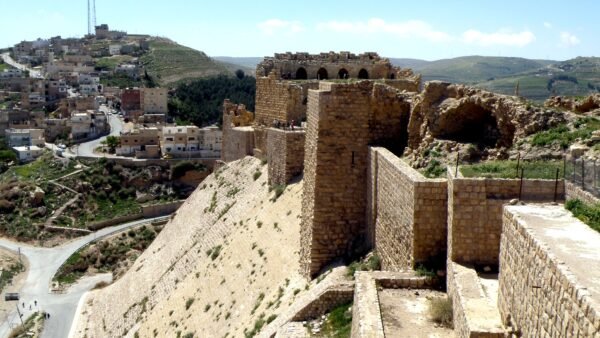
At Least Six Killed as Gunmen Open Fire at Church Funeral in Jordan’s Karak
Gunmen killed at least six people and wounded 28 at a Greek Orthodox church funeral in Jordan's Karak…
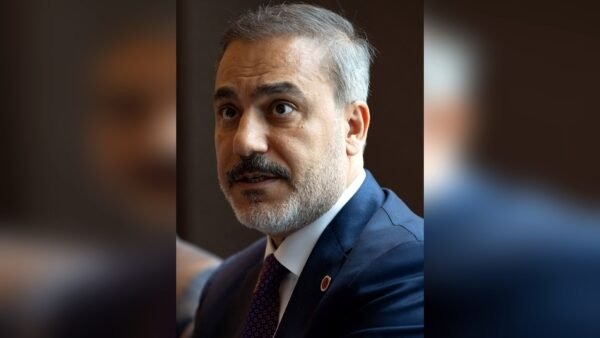
Turkey Brings Seven Foreign Ministers to Istanbul for First R4+E3 Talks on Hormuz, Gaza and Ukraine
Turkey hosts the first-ever R4+E3 foreign ministers meeting in Istanbul — seven countries talking Hormuz, Gaza, Yemen and…
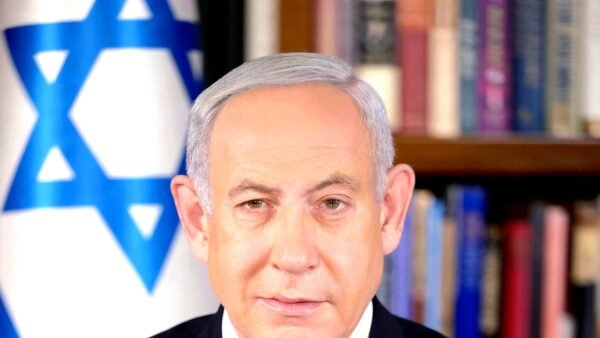
Netanyahu Orders West Bank Closure After Deadly Hebron Shooting Wounds Five
Israeli Prime Minister Benjamin Netanyahu ordered a West Bank closure after a shooting near Hebron wounded five people,…