
NHS England on Track to Miss Key Cancer Treatment Target by Nearly 10,000 Patients

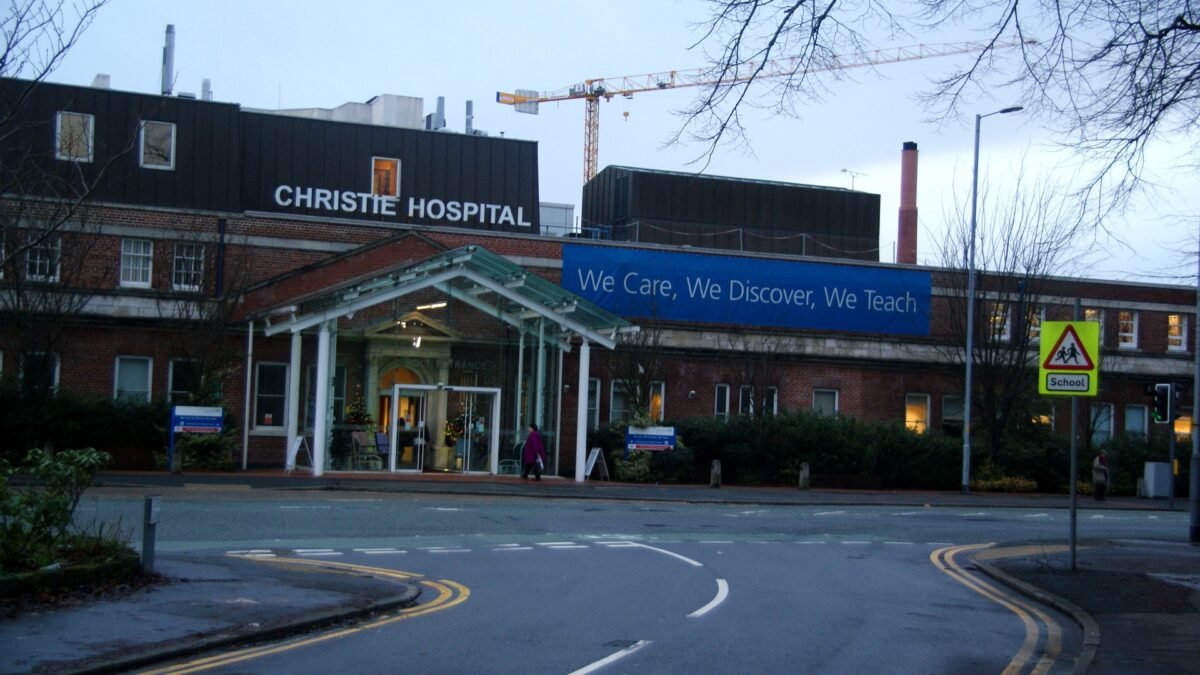
NHS England is on course to miss its key cancer treatment target by nearly 10,000 patients, according to an analysis of official figures, in a warning that lays bare the scale of the challenge facing the health service with only months to go before the deadline.
Just 70.7 per cent of patients in England began their first cancer treatment within 62 days of an urgent referral in September, down from 71.9 per cent in August, according to NHS England figures released on 12 November. The government has set an interim target of treating 80 per cent of patients within that two-month window by March 2027.
Analysis of the official data for The Guardian found that the NHS would need to treat 2,850 more patients on time every month to get back on track, assuming patient numbers stay constant. Calculations by the charity Radiotherapy UK put the monthly requirement at 24,400 patients starting treatment on time, against about 21,500 at present, producing a cumulative shortfall of 9,490 patients if the current pace continues.
The September result leaves the service 9.3 percentage points short of the 80 per cent milestone, and experts who examined the figures warned that the shortfall reflects shortages of staff and equipment, failures of leadership and accountability, and demand that has outpaced capacity for years.
Professor Pat Price, chair of Radiotherapy UK and a leading oncologist, said the government was going to miss its cancer treatment target “because the NHS does not have enough staff or equipment to treat the number of patients coming through its doors”. She warned that the lack of leadership could have serious consequences, adding that thousands more people could die because they do not receive treatment on time.
The Department of Health and Social Care defended the government’s record, saying cancer waiting times were moving in the right direction, with all three cancer standards better than a year ago. A spokesperson said around 290,000 more people had received a timely diagnosis or had cancer ruled out over the past year compared with the year before the election, and pointed to the government’s national cancer plan as the route to earlier diagnosis and faster treatment.
The September figures
The 62-day measure tracks the time to first definitive treatment for people with cancer after an urgent suspected cancer referral, an urgent referral for breast symptoms, an urgent screening referral or an upgrade by a consultant. It is one of three cancer waiting-time standards published monthly by NHS England, and it is the measure that captures the full journey from referral to the start of treatment.
In September, 30,522 referrals were recorded under the combined 62-day standard, up from 27,909 in August, according to NHS England. Of those, 70.7 per cent began treatment within 62 days. The figure was 71.9 per cent in August, and the 12-month average to September stood at 70.4 per cent, compared with 69.0 per cent in the preceding 12 months, showing slow improvement over the year but a step backwards in the latest month.
The figures released on 12 November are provisional. NHS England noted that some records from one trust were missing the information needed for inclusion in the 62-day measure, with an estimated shortfall in national activity of 0.41 per cent and what it described as a very small estimated effect on performance. The data can be revised.
The 80 per cent figure is an interim planning milestone rather than the full operational standard. The longer-standing standard is that 85 per cent of patients should begin first treatment within 62 days, a target that has not been met since 2015. The current planning framework calls for every trust to reach 80 per cent by March 2027, and the national cancer plan sets out the ambition to meet the cancer waiting-time standards by March 2029.
That history matters, because it means the March 2027 milestone was designed as a staging post on the way back to a standard the service has failed to reach for more than a decade. On the September figures, the service is not merely short of the staging post. It is moving away from it.
The gap in plain numbers
The Guardian’s analysis translates the percentages into people. To reach 80 per cent by March, the NHS would need to treat about 24,400 cancer patients on time each month, according to Radiotherapy UK’s calculations. It is currently treating around 21,500 within the 62-day window, leaving a monthly gap of about 2,850 patients and, at the current rate, a cumulative shortfall of 9,490 patients against the target.
Those numbers assume patient volumes stay roughly constant. If referrals keep rising, as they have done for years, the gap widens further. Urgent cancer referrals in England have increased by about 20 per cent over the past four years, according to Cancer Research UK, and the NHS is diagnosing more cancers than ever before. Figures published earlier in November showed 373,574 new cancer diagnoses in England in 2024, the highest on record, an average of 1,021 new diagnoses a day.
More diagnoses are, in one sense, a success. They mean cancers are being found. But every additional diagnosis is also a patient who must move through imaging, biopsy, pathology, multidisciplinary team discussion and treatment planning, and then into surgery, radiotherapy or drug treatment, all inside a system whose capacity has not grown at the same pace.
The arithmetic is unforgiving. Closing a gap of 2,850 patients a month would require the equivalent of treating roughly 95 extra patients on time every single day, every day, until March, while referrals continue to arrive at record levels. That is the scale of the recovery the official figures imply.
Not all cancers wait equally
The national average hides wide differences between cancer types, and the differences point to where the system is under the greatest strain. In September, 70.1 per cent of prostate cancer patients and 68.8 per cent of breast cancer patients began treatment within two months. For lung cancer, the figure fell to 60.9 per cent. For gynaecological cancers it was 60 per cent. For head and neck cancers, barely more than half of patients, 56.5 per cent, were treated on time.
The pattern is not random. Lung, head and neck and gynaecological cancers are among the most complex to diagnose and treat. They often require multiple scans, biopsies and specialist opinions before a treatment plan can be agreed, and they depend heavily on the diagnostic services, imaging, endoscopy and pathology, that experts say are among the most stretched parts of the service.
Regional differences were equally stark. The Midlands recorded the lowest share of patients treated on time, at 66.6 per cent, against 77.3 per cent in London, a gap of more than 10 percentage points between two parts of the same health service. The Guardian’s analysis identified the Midlands as the region furthest behind, and the gap raises questions about whether recovery plans are reaching the places where waiting times are worst.
For patients, these variations are not statistics. A patient with lung cancer in the Midlands faces measurably worse odds of starting treatment within two months than a patient with prostate cancer in London, even though the target is the same for both. The postcode lottery in cancer care, long discussed by charities and clinicians, is visible in the official data.
The diagnosis bottleneck
The treatment figures are only part of the story. The same September release showed that the NHS is also missing its targets for diagnosing cancer quickly, and the delays at the diagnostic stage feed directly into the treatment delays that follow.
Just 76.2 per cent of patients urgently referred for suspected cancer were diagnosed or had cancer ruled out within 28 days in September, against the 80 per cent Faster Diagnosis Standard, and down from 78.6 per cent in August. More than 71,500 suspected cancer cases took longer than four weeks to reach an outcome in September alone.
Separate analysis by Cancer Research UK of the latest diagnosis figures found that over the past year only 55.4 per cent of patients who turned out to have cancer were diagnosed within 28 days of an urgent referral, far below the 80 per cent standard. By comparison, 79.1 per cent of patients who were given the all-clear received it on time, suggesting the system is better at ruling cancer out quickly than at confirming it.
The charity’s analysis also showed wide variation by suspected cancer type. Patients referred with suspected blood cancers faced lengthy waits, with only 61 per cent receiving a diagnosis or having cancer ruled out within 28 days. Performance was also below target for suspected lower gastrointestinal cancers, at 64.6 per cent, urological cancers, at 65.6 per cent, and gynaecological cancers, at 67.1 per cent. Testicular cancer was the only form of the disease to exceed the target among patients ultimately diagnosed, with 84.3 per cent receiving confirmation within 28 days over the past year.
Naser Turabi, Cancer Research UK’s director of health policy and evidence, said hospital capacity was struggling to keep pace with rising demand. “While recent investment in diagnostic equipment is welcome, we’re not seeing enough progress to cut waiting times for the 6% of people who go on to receive a cancer diagnosis,” he said.
Dr Hilary Williams, clinical vice-president of the Royal College of Physicians and a consultant in medical oncology, stressed that earlier diagnosis would only improve outcomes if patients could subsequently access treatment without delays. “To close the gap, the NHS needs sufficient capacity across the whole cancer pathway,” she said, calling for increased diagnostic resources, including imaging, endoscopy and pathology, alongside more specialist staff and treatment capacity in surgery, radiotherapy and systemic therapies.
All three standards missed
The September figures show the NHS missing all three of its key cancer waiting-time standards at once. The 62-day measure stood at 70.7 per cent against the 80 per cent interim milestone and the 85 per cent long-term standard. The 28-day faster diagnosis standard stood at 76.2 per cent against 80 per cent. And the 31-day standard, which covers the time from a decision to treat to the start of first or subsequent treatment, stood at 91.5 per cent against a 96 per cent standard, down from 92.1 per cent in August.
That last figure matters because it isolates the part of the pathway that should be the most controllable. Once a decision to treat has been made, the patient is in the system, the plan is agreed, and the remaining wait is largely a matter of scheduling a bed, a theatre slot or a radiotherapy machine. That only 91.5 per cent of patients started within a month of that decision points to capacity constraints in treatment itself, not only in diagnosis.
The broader hospital figures published alongside the cancer data underline the pressure. The waiting list for routine hospital treatments in England rose to its highest level for nearly a year, with an estimated 7.38 million treatments waiting to be carried out at the end of September, relating to 6.24 million patients. An estimated 116,353 people had been waiting more than a year to start routine treatment, up from 113,339 at the end of August.
Cancer care does not operate in isolation from that wider backlog. It competes for the same scanners, the same theatres, the same beds and the same staff. When routine waiting lists grow, the pressure on cancer pathways grows with them, and the patients who lose out are those whose treatment cannot safely wait.
What the experts say
The charities and professional bodies that examined the figures were blunt about the causes. Professor Price, of Radiotherapy UK, attributed the projected failure to insufficient staffing and equipment across the health service. Radiotherapy is a particular pressure point: it is a highly specialised service, dependent on linear accelerators, physicists, radiographers and clinical oncologists, and it cannot be expanded quickly.
Mark Lawler, professor of digital health and chair in translational cancer genomics at Queen’s University Belfast, said failures in leadership and accountability were undermining efforts to improve cancer outcomes. “The whole system is being held together by goodwill glue alone,” he said. He warned that without greater accountability, a fundamental change in approach and renewed attention to basic healthcare services, the NHS could continue missing its cancer treatment targets for another decade.
Dr Stephen Harden, president of the Royal College of Radiologists, warned that persistent shortages of clinical radiologists and clinical oncologists were contributing to dangerous delays in cancer diagnosis and treatment. He also raised concerns about recruitment restrictions, saying NHS hiring freezes for these specialists had doubled over the past year. “Technology and new ways of working can relieve pressure to an extent, but fundamentally, rising demand for cancer care has outpaced workforce capacity,” he said.
He urged the government to end recruitment freezes and ensure that NHS services had enough doctors to diagnose and treat patients within the required timeframes. The message from the Royal College of Radiologists is that the bottleneck is not only machines and buildings. It is people, and people take years to train.
Chris Ransom, head of services at Macmillan Cancer Support, was among those calling for urgent action, as charities warned that patients were missing vital treatment. The charities’ concern is not abstract. Delays in starting cancer treatment can allow a cancer to grow, spread or become harder to treat, and for some cancers the window in which treatment works best is measured in weeks.
The government’s response
The Department of Health and Social Care defended the government’s record, arguing that the direction of travel is positive even if the targets are not yet met. A spokesperson said: “Cancer waiting times are moving in the right direction, with all three cancer standards better than a year ago,” and pointed to around 290,000 more people receiving a timely diagnosis or having cancer ruled out over the past year compared with the year before the election.
The department also pointed to the government’s national cancer plan as the means of helping more patients receive earlier diagnoses and begin treatment sooner. The plan sets out the ambition to meet the cancer waiting-time standards by March 2029, two years after the interim 80 per cent milestone.
The government’s case rests on two claims: that performance is improving year on year, and that investment in diagnostic equipment and the cancer plan will close the gap. The first claim is supported by the figures. The 12-month average for the 62-day measure, 70.4 per cent to September, is higher than the 69.0 per cent of the preceding 12 months, and all three standards are better than a year ago, according to the department.
The second claim is harder to test. The September figures show the monthly position getting worse, not better, with the 62-day figure down 1.2 percentage points on August, the 28-day figure down 2.4 points and the 31-day figure down 0.6 points. A year-on-year improvement and a month-on-month deterioration can both be true at the same time, and the question is which trend dominates as the March 2027 deadline approaches.
A decade of missed targets
The 62-day standard has not been met since 2015, and that long failure is the backdrop against which the latest figures must be read. The standard was introduced when cancer waiting times were shorter and referral volumes lower. Since then, referrals have risen by about a fifth in four years, diagnoses have reached record levels, and the service has been through a pandemic that disrupted screening, diagnosis and treatment for years.
The pandemic’s shadow is still visible. Screening programmes were paused or reduced, routine referrals fell and then surged back, and a backlog of patients presented later and sicker than they otherwise would have done. The health service has been working through that backlog ever since, and cancer services have carried a disproportionate share of it.
But the failure predates the pandemic. The 85 per cent standard was already being missed before Covid-19 arrived, and the reasons given then, workforce shortages, diagnostic capacity, rising demand, are the same reasons given now. The latest figures suggest those structural problems have not been solved, even as the political commitment to solve them has been restated by successive governments.
The interim target of 80 per cent by March 2027 was itself an acknowledgement of that reality. It lowered the bar from 85 per cent to a level the service was expected to be able to reach, and it gave the service until March 2027 to get there. The Guardian’s analysis suggests that even the lowered bar will be missed, by a margin of nearly 10,000 patients.
Analysis: Why It Matters
A target missed by arithmetic, not by accident
The most striking thing about the 9,490-patient shortfall is how mechanical it is. It is not a forecast built on pessimistic assumptions or a worst-case scenario. It is what happens if the NHS keeps doing exactly what it is doing now, treating about 21,500 patients on time each month, while the target requires 24,400. The gap is visible in a single month’s figures, and it compounds with every month that passes. Every month at the current pace adds roughly 2,850 patients to the shortfall, and there are only a few months left before March. The government does not need a new plan to understand the problem. It needs a plan that changes the monthly number, and the September figures show the monthly number moving in the wrong direction. That is why the charities’ language is so stark. They are not warning about a risk. They are describing a trajectory.
The postcode lottery is getting wider
The 10.7-point gap between the Midlands and London is more than a regional curiosity. It is evidence that the recovery is uneven, and that where a patient lives is becoming a bigger determinant of how quickly they are treated. London’s 77.3 per cent is close to the 80 per cent target. The Midlands’ 66.6 per cent is more than 13 points away. If the national average is the only number that matters, the service can improve it by fixing the easiest places first. But a target that is met in London and missed in the Midlands is not a target met. It is a target that has reproduced, in cancer care, the same geographical inequalities that run through so much of British public life. The national cancer plan will be judged not only on whether the national average reaches 80 per cent, but on whether the worst-performing regions close the gap with the best.
Diagnosis is where the queue really forms
The 62-day figure attracts the attention, but the 28-day figure may matter more. Only 55.4 per cent of patients who turned out to have cancer were diagnosed within 28 days over the past year, against an 80 per cent standard. That means nearly half of cancer patients waited more than a month just to learn what was wrong with them, before treatment could even be planned. The diagnostic stage is where the workforce shortage bites hardest: clinical radiologists to read the scans, pathologists to examine the biopsies, endoscopists to perform the procedures. These are the specialists the Royal College of Radiologists says are in shortest supply, and the ones subject to the hiring freezes Dr Harden described. Adding treatment capacity without fixing diagnosis would be like widening a road while leaving the toll booths in place. The queue would simply form earlier.
The workforce is the bottleneck no target can fix
Every explanation offered for the missed targets eventually arrives at the same place: there are not enough people. Not enough radiologists, not enough clinical oncologists, not enough radiographers, not enough pathologists. Machines can be bought and buildings can be built, but a clinical oncologist takes more than a decade to train, and a radiologist not much less. Hiring freezes, which the Royal College of Radiologists says have doubled over the past year for these specialties, make the problem worse in the short term even if training numbers rise in the long term. The government’s investment in diagnostic equipment is welcome, as Cancer Research UK acknowledged, but equipment without operators is a scanner that sits idle. The workforce is the one constraint that cannot be solved by March 2027, whatever the funding. That is the hardest truth in these figures, and it is the reason Professor Lawler warned the NHS could be missing its targets for another decade.
The government’s defence is real, and insufficient
It would be unfair to dismiss the Department of Health and Social Care’s response. All three standards are better than a year ago. Around 290,000 more people received a timely diagnosis or the all-clear over the past year. The 12-month average has improved. These are real gains, and they reflect real work by NHS staff under sustained pressure. But a defence based on direction is not the same as a defence based on destination. The target is 80 per cent by March 2027, and the service is at 70.7 per cent and falling month on month. Being better than last year is not the same as being on track, and the gap between the two is measured in patients. The government’s argument is, in effect, that the trend will turn. The charities’ argument is that nothing in the September figures suggests it is turning yet. One of those arguments will be proved right by March. The patients waiting now cannot wait for the verdict.
What to Watch Next
- October’s figures, due in December: the next monthly release will show whether September’s deterioration was a one-month dip or the start of a slide. A second consecutive fall would make the March target look out of reach even on the government’s own trajectory.
- The national cancer plan in detail: the Department of Health and Social Care has pointed to the plan as the route to earlier diagnosis and faster treatment. Its funding, workforce commitments and regional delivery plans will show whether it matches the scale of the 9,490-patient gap.
- Radiotherapy and diagnostic capacity announcements: Radiotherapy UK and the Royal College of Radiologists have made the workforce case. Any announcement on training places, recruitment freezes or new linear accelerators will be a test of whether the government accepts their diagnosis.
- The Midlands recovery: the region with the lowest on-time treatment rate, 66.6 per cent, will be the clearest test of whether recovery is reaching the places that need it most. Regional figures in the coming months will show whether the gap with London is closing or widening.
- Winter pressure on diagnostics: winter brings higher demand across the NHS, and diagnostic services are among the first to feel it. How cancer pathways hold up through the winter months will shape the final run towards March.
- Parliamentary scrutiny: the figures are likely to be raised in Parliament and by the Health Select Committee, and the Health Secretary’s response will indicate whether the government treats the missed target as a failure to be explained or a trajectory to be corrected.
- The March 2027 deadline itself: with the interim milestone approaching, attention will turn to whether the target is revised, extended or replaced. The decision will reveal how the government judges its own progress, and whether 80 per cent remains the ambition or becomes another missed staging post on the way to 2029.
Sources
- The Guardian — NHS England on track to miss key cancer treatment target by 10,000 patients
- The British Eye — NHS set to miss England’s cancer treatment target
- Tampa Bay Chronicle — NHS England set to miss key cancer treatment target by nearly 10,000 patients, analysis finds
- London Daily News — Cancer treatment waiting times leave NHS short of 2027 goal
- Gazette & Herald (Press Association) — Latest NHS hospital figures for England: Key numbers and trends
- Vale50Plus — Labour’s cancer crisis: Government failing to meet crucial targets, as charities warn patients missing ‘vital treatment’

About the Author — Abdul Mannan
Related Articles

Prince Harry Makes Surprise Fourth Visit to Ukraine, Telling Wounded Veterans: ‘You’re Going to Win the War’
Prince Harry made an unannounced two-day visit to Lviv, his fourth trip to Ukraine since Russia's invasion, telling…
UK Ethics Watchdog Chief Stuart Sterling Steps Back Over Historic Sexual Misconduct Claims
Stuart Sterling, the first chief executive of the Ethics and Integrity Commission, has stepped back while the Cabinet…

Russell Brand Accuser Mia Latter Waives Anonymity in Campaign to Stagger the Age of Consent
Mia Latter, who alleges Russell Brand raped her when she was 16, has waived her anonymity to campaign…